Contents
- Start with what the garment needs to do
- Look at the fabric without handling it roughly
- Check seams in high-stress areas
- Compare both sides and how it drapes
- Try the closures and practical features
- Move around in it
- Check care and repairability
- Make a decision without turning everything into a score
- Frequently asked questions
- Sources and references
When two jackets look alike, price and fabric content don’t tell the whole story. One closes without pulling, its pockets lie flat, and its lining moves with you. The other looks convincing on the hanger, but something feels off as soon as you try it on. Recognizing a well-made garment means looking at how its parts work together instead of searching for one magic sign of quality.
To assess a piece, look at the fabric, seams, closures, and fit as you move, then check that its care requirements work for you. This inspection can’t predict exactly how long it will last, but it can help you spot visible flaws and care requirements you’d rather avoid.
Start with what the garment needs to do
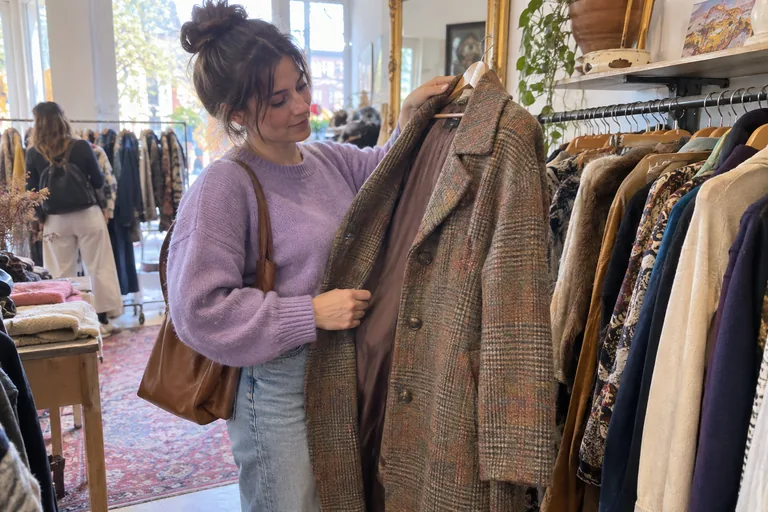
A lightweight blouse meant to be worn under a jacket doesn’t need to be as thick as a work overshirt. An airy knit may be intentionally delicate. Before inspecting it, think about the role the piece will play: frequent wear, occasional use, travel, sitting, or layering. That gives you a practical goal for judging its construction.
Avoid absolute rules like “heavier means better.” Weight can feel comfortable or become a nuisance. A lining can help a jacket slide on, but it also adds material and care requirements. Above all, ask yourself whether the construction choices suit your day. Our guide to buying better and making your clothes last offers more perspective on how you’ll use it.
Look at the fabric without handling it roughly
Look at the surface in normal light, then near a window if possible. Check for snags, irregular patches that aren’t intentional, and color differences that aren’t part of the design. Gently touch the fabric to see if it feels right to you, without rubbing hard or pulling at it like you’re running a lab test.
Slight sheerness can be intentional, but it should suit the way you plan to wear the piece. Hold your hand behind the fabric without stretching it and see whether that means you’ll need a particular undergarment or an extra layer. With knitwear, look for overall consistency and areas that are already worn thin. Pilling alone doesn’t tell you much, especially with a secondhand piece: check the integrity of the yarn, too.
Check seams in high-stress areas
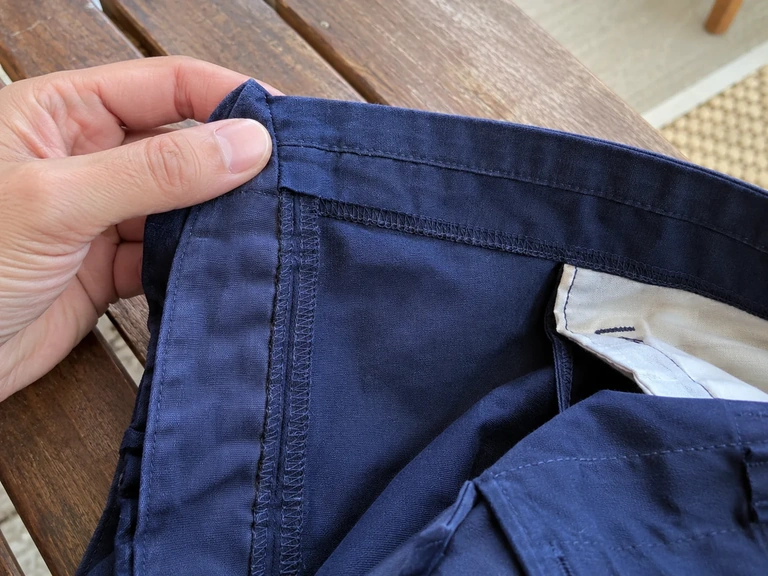
Gently turn the garment inside out when possible. The seams should hold the pieces together without visible gaps or obviously broken stitches. Check the underarms, crotch, pocket bottoms, and joins that take the strain as you move. A neat seam on the outside can hide an area that’s already coming apart inside.
Finishes vary by garment and aren’t defined by a prestigious technique. An overlock stitch can be perfectly appropriate. What matters is its consistency, condition, and compatibility with the fabric. With a stretchy material, see whether the seam moves with you normally without popping or pulling tight. Don’t stretch it beyond its intended use to “test” its strength.
Compare both sides and how it drapes
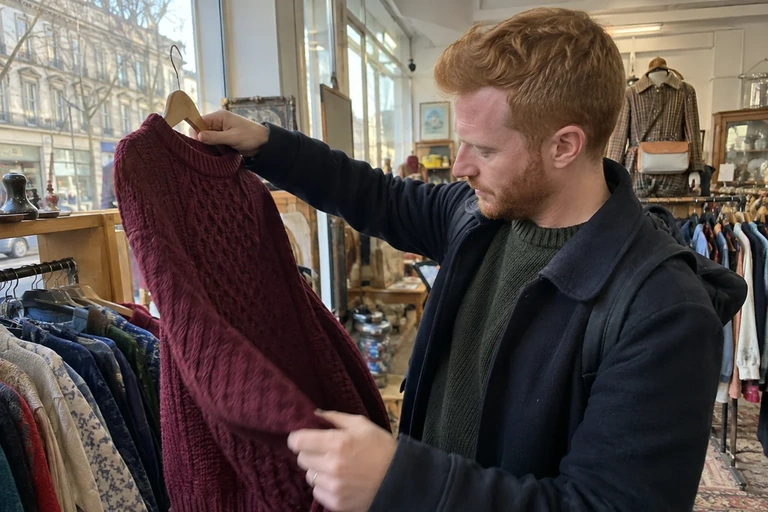
Lay the garment flat or inspect it on a suitable hanger. The sleeves and legs should match the stated cut, unless the asymmetry is intentional. A seam that twists sharply or a panel that hangs unexpectedly deserves a closer look. First, reposition the garment so you don’t mistake poor placement for a defect.
On a shirt, check that the button placket is aligned. On pants, check the pocket placement and how the legs hang. With patterns, matching the seams can be an interesting construction choice, but not doing so isn’t always a functional defect. Prioritize: an open seam or a stuck closure will often matter more than a slightly misaligned pattern in a low-visibility area.
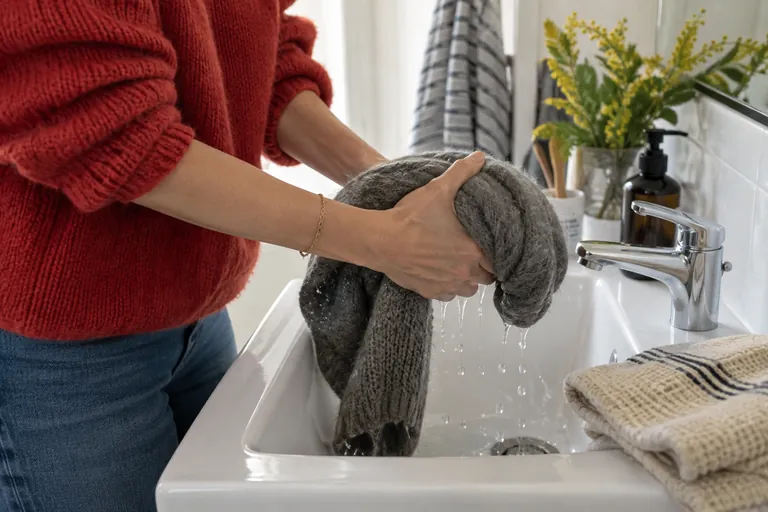 Read alsoHow to wash a wool or cashmere sweater without felting it
Try the closures and practical features
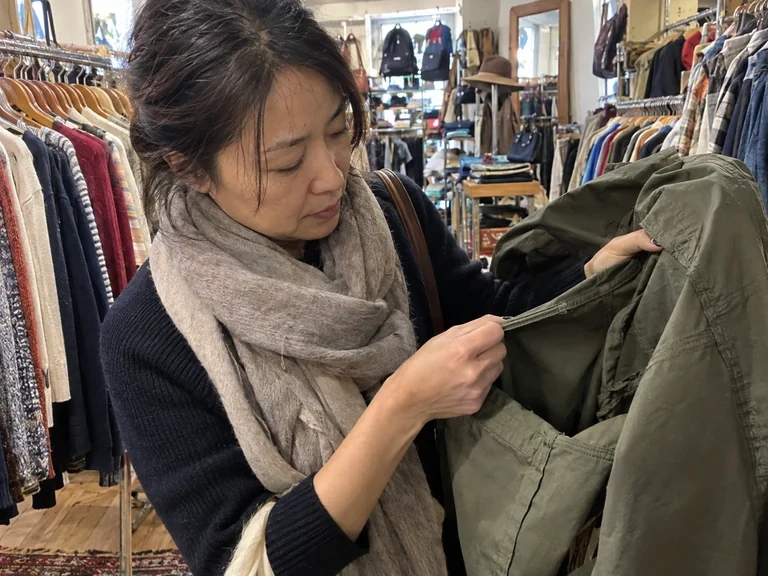
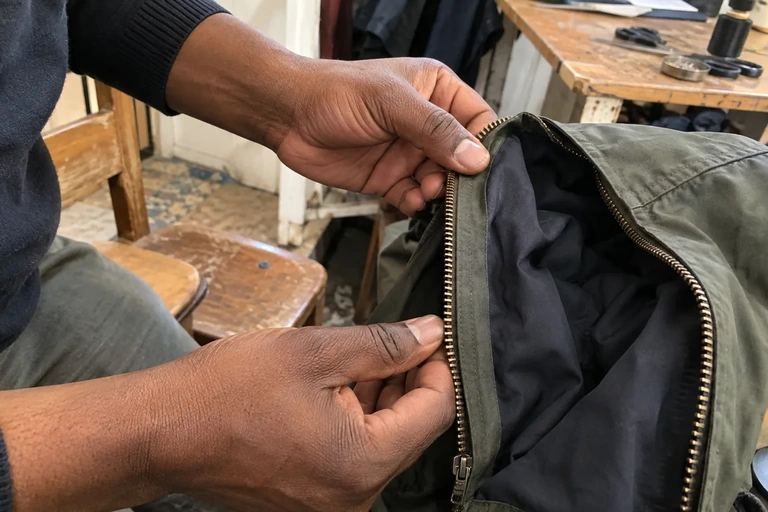
Open and close the buttons, snaps, or zipper as you normally would. A closure should work without you having to constantly hold back the lining or pull at the edges. Check whether a button is already hanging by a thread, a buttonhole is fraying, or the slider catches in the same spot every time. These small issues can become annoying in everyday use.
Put your hands in the pockets and check their depth for your needs. A decorative pocket won’t replace the one you planned to use for your keys. Also check the belt loops and attachments, especially if you often wear a belt or use a removable hood. Ask the seller whether a detail is designed to open or come off; don’t unpick anything in the store without permission.
Move around in it
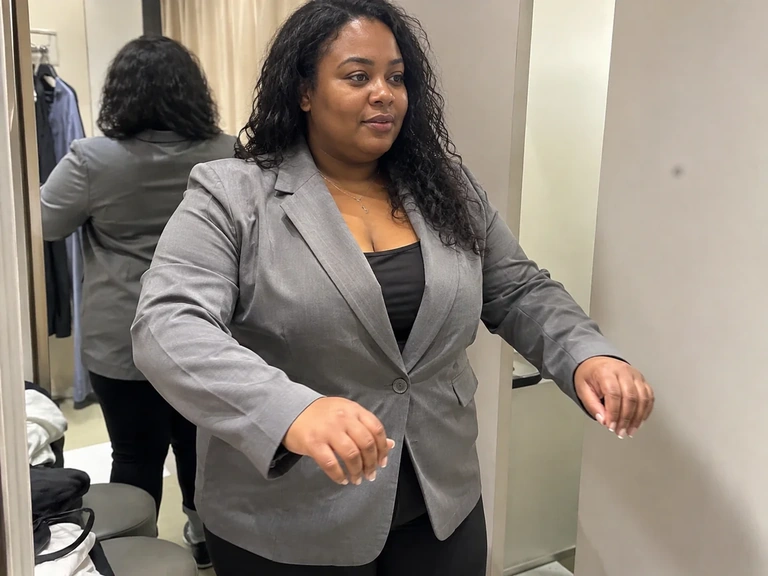
Try the garment on with layers similar to the ones you plan to wear. A jacket tried on over a thin T-shirt may feel too tight over your usual sweater. Zip it up, reach your arms forward, sit down, and gently twist your torso. The garment should move with you within the limits of its cut, without making you constantly readjust it.
Check the lining: does it pull when you reach your arms forward? Does the hem ride up more on one side? Discomfort can come from the size, cut, or construction; it isn’t always possible to tell in a few seconds. Try another size if available. Our guide to find your body shape can help you describe your proportions, but your actual comfort is still the practical measure.
Check care and repairability
Read the care instructions before buying, especially if you’re looking for a piece to wear often. A garment that needs care you won’t keep up with may end up in the back of your closet, even if it’s very well made. Check whether you can clean it in a way that fits your routine, without assuming a delicate cycle will work for everything. The time and cost of care are part of the decision.
Then consider common repairs: a replaceable button, an accessible hem, a lining that can be taken in. A minor repair isn’t necessarily a reason to pass on a secondhand piece, as long as you understand how difficult and costly it will be. Refashion offers information and a directory of repair shops; get an expert opinion if you’re unsure about a repair. Our guide to buying secondhand clothes takes a closer look at this inspection.
Make a decision without turning everything into a score
Sort your observations into three groups: a defect that prevents use, a possible adjustment or repair, and an acceptable cosmetic detail. This keeps you from giving the same weight to a broken closure and a loose thread that’s easy to fix. Also consider whether the piece works with several items you already own.
In Vestly, a digital closet helps you find your pieces and plan combinations. Virtual try-on can help you compare a look, but you can check stitching quality, feel, and comfort only on the actual garment. A good decision brings both perspectives together: how it fits into your outfits and the practical quality you can assess in person.
Check off
I inspected this piece before deciding
0 / 6
You have concrete points to guide your decision, beyond price and brand.
Watch a practical example
A visual example from Justine Leconte officiel to compare with the steps in this guide.
Video in English
Frequently asked questions
Is an expensive garment always better made?
No. Price reflects several factors. Assess the piece using the same criteria regardless of its price point, then compare what it actually offers you.
Does a loose thread mean you should reject the piece?
Not always. It may be a finishing thread to trim, or it may be the start of a seam coming undone. Check where it comes from and ask someone to take a look before pulling or cutting it.
Can you know exactly how long a garment will last when you buy it?
No. How you wear it, care for it, and repair it in the future all matter. An inspection helps you spot useful signs; it can’t guarantee a specific lifespan.
Sources and references
- Refashion, repairs and finding professionals, accessed September 30, 2026: resources and help finding repair professionals.
- Vestly, app and digital closet, accessed September 30, 2026.