Contents
- 1. Wear what you already own
- 2. Think in terms of cost per wear
- 3. Ask yourself three questions before buying
- 4. Choose fabrics that last
- 5. Shop secondhand
- 6. Repair and tailor
- 7. Build a cohesive wardrobe
- 8. Give the things you no longer use a second life
- Start with a thirty-day challenge
- The true cost of a very cheap garment
- Frequently asked questions
The textile industry produces enormous quantities of clothing every year, much of which is barely worn before being thrown away. Faced with this, many people want to shop differently but don’t know where to start: Should you buy everything secondhand? Give up affordable brands? Stop shopping altogether?
Sustainable fashion isn’t about being perfect. It’s about a series of small and big choices that extend the life of your clothes and reduce unnecessary shopping. Here are eight practical tips to get started.
1. Wear what you already own
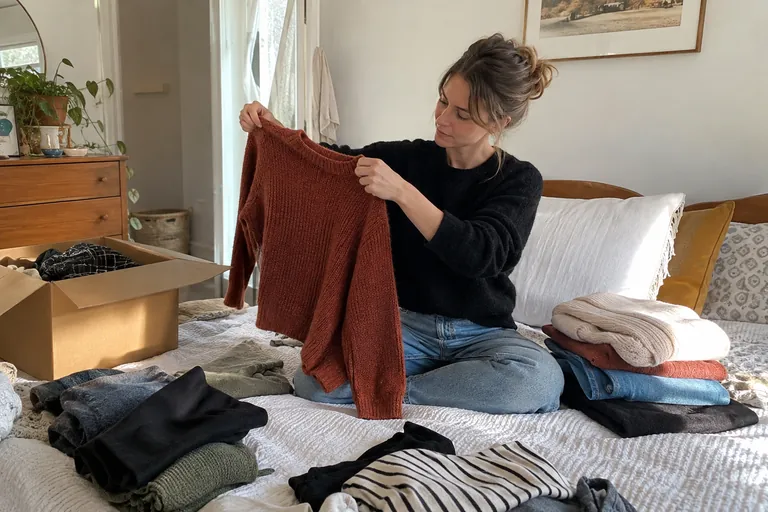
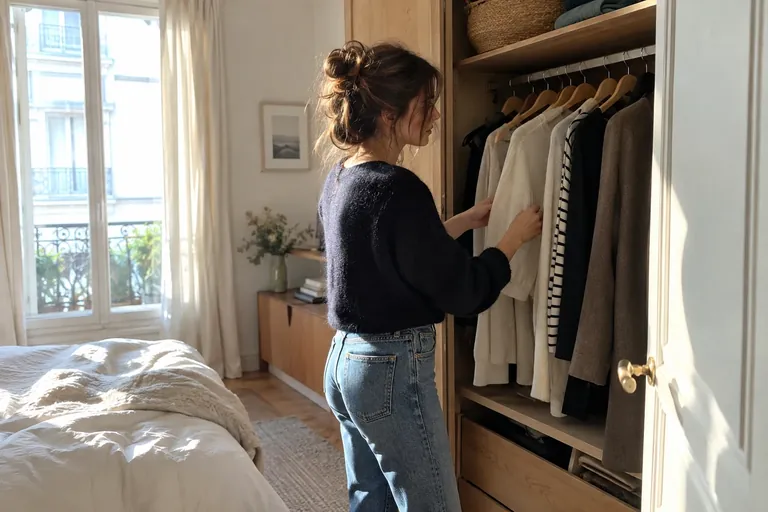
The most sustainable choice is also the simplest: wear the clothes you own for longer. Rediscovering your wardrobe by sorting and arranging it so everything is visible often helps you realize you already have plenty of possible looks. Putting the same pieces together in new ways makes your wardrobe feel refreshed, without buying anything.
2. Think in terms of cost per wear
Cost per wear is calculated by dividing the price of a garment by the number of times you wear it. A €120 sweater worn a hundred times costs €1.20 per wear; a €15 top worn twice costs €7.50 per wear. This simple calculation can help you justify buying a quality piece and skip impulse purchases.
3. Ask yourself three questions before buying
If you’re unsure, give it a few days. Many cravings fade on their own.
4. Choose fabrics that last
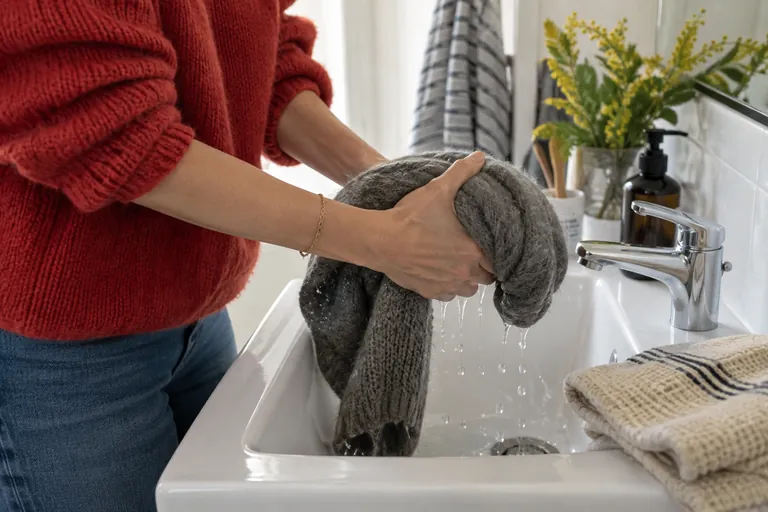
Quality natural fibers like wool, linen, substantial cotton, and silk often age better than cheap synthetics, which pill and lose their shape quickly. Check the construction, too: even stitching, dense fabric, and neat finishes. Durable fabric won’t help if it isn’t cared for properly: our guide to washing a wool sweater helps you keep it in good shape.
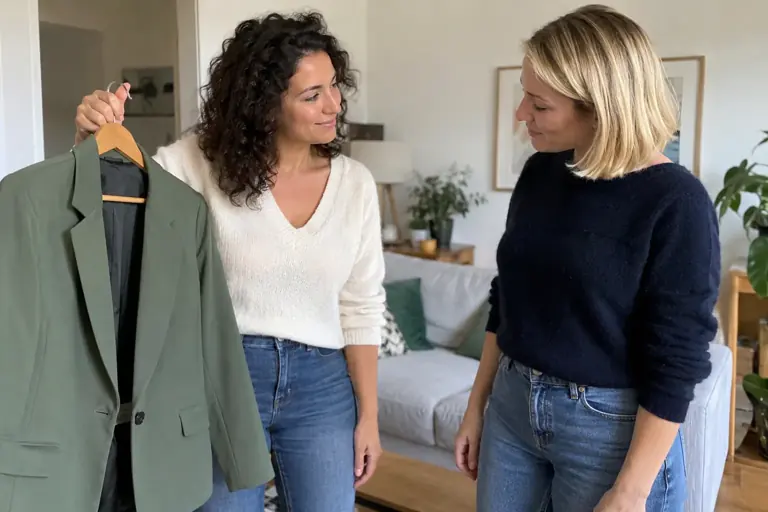
A visual example from Melissa Munro to compare with the steps in this guide.
Video in English
 Read alsoLending clothes to a friend: make lending and returning easy
5. Shop secondhand
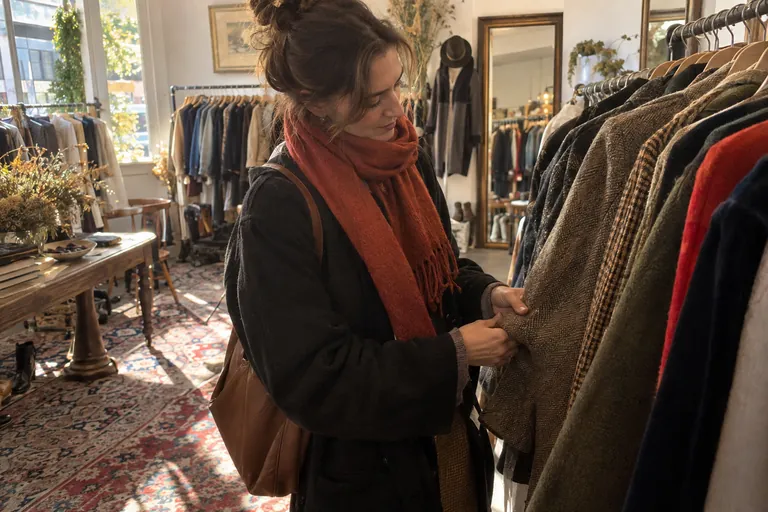
Thrift stores, consignment shops, online platforms, and clothing swaps: secondhand shopping gives you access to quality pieces at lower prices while helping them last longer. A few tips: check the seams and underarms, know your measurements when shopping online, and hold yourself to the same standards as you would for new clothes. An unworn secondhand piece is still an unnecessary purchase. Our guide to buying secondhand clothes covers what to check before you buy.
6. Repair and tailor
A button, a hem, a snag, a zipper: many clothes are discarded for flaws that can be fixed. Learning a few sewing basics or hiring a professional tailor can greatly extend their life. Alterations can also turn a poor fit into a favorite piece.
7. Build a cohesive wardrobe
A wardrobe built around a few colors and pieces that work well together naturally cuts down on shopping: every new piece should fit in with the rest. That’s the idea behind the capsule wardrobe, which balances simplicity and variety.
8. Give the things you no longer use a second life
Sell, donate, swap, recycle: clothes you part with shouldn’t end up in the trash. Pieces in good condition can find a new owner secondhand; damaged textiles can go to a dedicated collection point.
Start with a thirty-day challenge
Changing your shopping habits is easier with a plan. Try this simple challenge: thirty days without buying new clothes. For a month, write down every urge to shop in a notebook, along with the date and reason. At the end, look over the list: many of those urges will have passed, and the ones that remain will be more thoughtful needs.
During the challenge, take the chance to rediscover your wardrobe: put together a new look each week with pieces you rarely wear, mend clothes that have been waiting for repairs, and sort out what no longer feels like you. The challenge isn’t about going without; it’s about enjoying what you already have.
The true cost of a very cheap garment
A garment sold at a very low price often has a hidden cost: quality that lasts only a few washes, seams that come undone, or a shape that loses its form. You replace it quickly, and the initial savings disappear. It doesn’t have to be an absolute rule, but it’s useful to ask how many times you’ll really wear a piece before it wears out.
A garment you keep may need an alteration rather than a replacement. Before choosing a no-sew iron-on hem, check both sets of instructions and the intended length. A bonded hem may not be as removable as stitching.
Frequently asked questions
Does sustainable fashion cost more?
Quality pieces often cost more upfront, but less per wear. Buying less, shopping secondhand, and caring for your clothes can often help you spend less overall.
Should you avoid fast-fashion retailers?
It’s a personal choice. Buying less and keeping what you buy for longer, no matter where you shop, already reduces your impact.
How can you tell if a garment is good quality?
Look at the material, fabric weight, seams, finishing, and fiber content label. A fabric that looks thin and see-through in the store will wear out quickly.
Where should you start if you want to buy fewer clothes?
Start by taking inventory of what you already own, then take a shopping break for a few weeks. That gives you time to spot what you really need and rediscover forgotten pieces. A wardrobe declutter and the thirty-day challenge described above are great places to start.