Contents
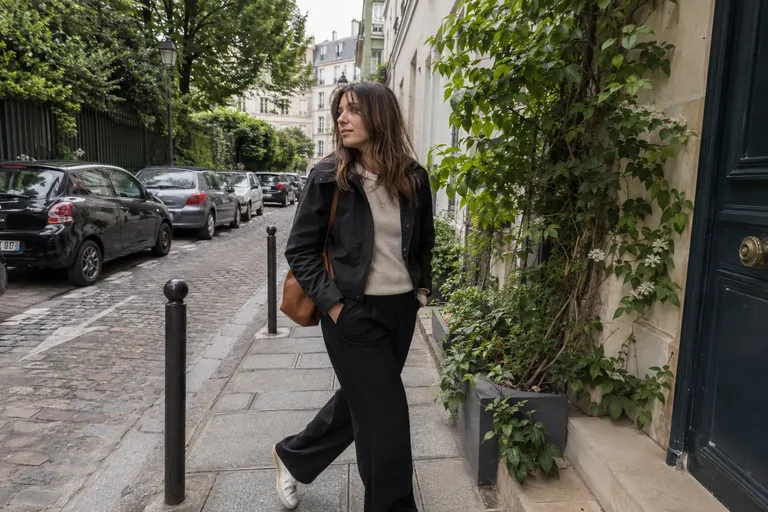
To find your personal style, notice the outfits you feel good in, look for what they have in common, then sum it up in three keywords. Having “style” isn’t about following trends or wearing expensive clothes. It’s about having a consistent way of dressing that says something about you and makes you feel good. Many people feel like they don’t have a style because their wardrobe is a mix of impulse buys, gifts, and pieces bought “just in case.”
The good news is that you can build your style. It won’t come together in a day, but a simple method can help you define it in a few weeks. Here are five steps to get there.
Step 1: notice what you really wear
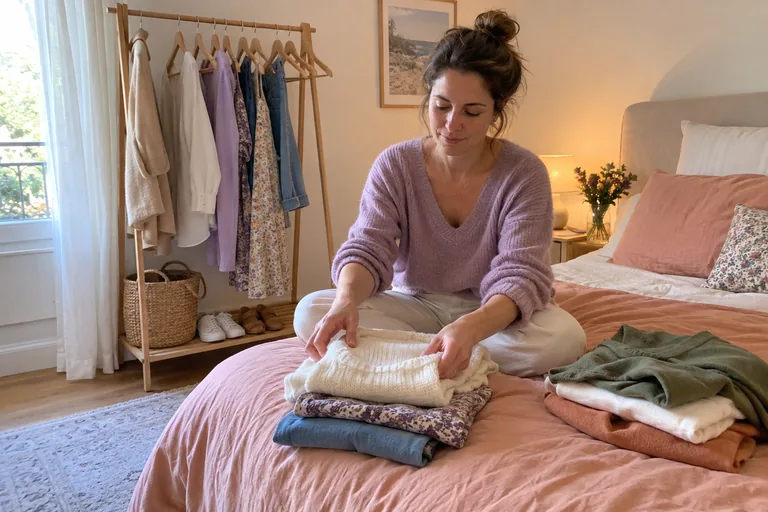
For two weeks, write down or photograph your outfits. Notice which ones made you feel good, confident, and comfortable, and which ones you wanted to change. Also look at the pieces you’ve never worn: they tell you just as much as the others.
Ask yourself a few questions: Which colors keep showing up? Which fabrics? Do you prefer fitted or loose cuts? Structured or relaxed outfits? Your favorite clothes are often the best clue to your style.
Step 2: gather inspiration
Create an inspiration board, on paper or in an app: photos of outfits, personalities, movies, places, works of art, even objects or interiors. Don’t overthink it: save anything that catches your eye at first glance.
After a few dozen images, take a step back and look for common threads. Are there dominant colors? A certain mood? Recurring cuts? These patterns sketch out your ideal style, which you can compare with what you already wear.
Step 3: find your three keywords
Sum up what you noticed in three words. For example: “natural, bright, comfortable,” “graphic, bold, urban,” or “feminine, romantic, vintage.” These three words become your compass.
Step 4: factor in your real life
Your style has to work for your everyday life: your job, climate, activities, budget, and needs. A very dressy style won’t hold up if you spend your days chasing after kids; a very casual style can be a challenge in a formal workplace.
Sort your wardrobe according to how you really spend your time: if 70% of your week is spent at the office, 70% of your clothes should work there. This is also a good time to sorting your wardrobe so you keep only what fits your style and your life.
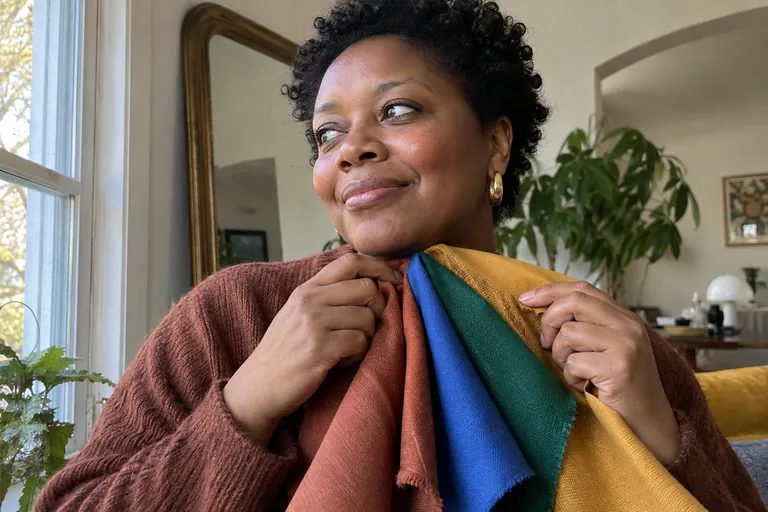 Read alsoColor analysis: find the colors that truly suit you
Step 5: try, adjust, repeat
Put together outfits with your three keywords in mind, take photos, and notice how you feel. Some experiments will work, others won’t: that’s how your style takes shape. Our method for putting together a harmonious outfit helps turn inspiration into real outfits.
Style isn’t set in stone. It evolves with age, life stages, and what you’re drawn to. Try this exercise again from time to time, for example at the start of each new season.
Dress for your body shape
Your style should also take your body shape into account. This isn’t about following a rule, but about identifying the cuts that feel comfortable and those that need some adjusting. The guide to find your body shape helps you identify your body shape with three measurements.
Once you’ve identified your body shape, compare it with your favorite clothes. The cuts you already wear and that suit you are the best guide for what comes next: they show what works for you before you look for inspiration.
The main style categories
To help you put it into words, here are a few commonly mentioned style families:
- Classic : clean lines, timeless pieces, understated colors.
- Casual chic : casual basics elevated with a polished piece; see our guide to casual chic.
- Minimalist : fewer pieces, streamlined cuts, limited color palette.
- Bohemian : natural fabrics, prints, flowing shapes.
- Romantic : lace, ruffles, soft colors.
- Rock or urban : leather, black, denim, statement pieces.
- Sportswear : comfort, sneakers, technical pieces.
Most personal styles mix two families: classic and rock, minimalist and bohemian. That mix is what makes a style unique.
Mistakes that take you away from your style
- Copying an influencer exactly : we draw inspiration from a look, not an entire wardrobe designed for a different life.
- Buying for an imaginary life : gala, travel, or workout outfits you never wear take up space and muddy your style.
- Following every trend : trends move fast; the ones that don’t match your keywords go out of style even faster.
- Keeping things out of guilt : an expensive or gifted piece that doesn’t feel like you doesn’t need to stay at the center of your closet.
- Trying to move too fast : your style takes shape over months, through small adjustments.
The role of color
Colors are an important part of your style. Knowing which ones flatter you, thanks to Color analysis, helps you build a palette that fits your three keywords. A tighter palette also makes combinations much easier.
Watch a practical example
A visual example from Lindsiann to compare with the steps in this guide.
Video in English
Frequently asked questions
How long does it take to find your style?
A few weeks of observation are enough to find a clear direction. Your style will keep evolving over the next few months or even years.
Should you follow trends?
Not necessarily. A trend that fits your keywords can add to your style; one that doesn’t feel like you will end up at the back of your closet.
Can you have more than one style?
Yes, many people have a weekday style and a weekend style. What matters is that each one feels like you and fits your life.
How can you find your style on a small budget?
Start with your current wardrobe: style begins with finding new ways to combine what you already have. Then shop sparingly, secondhand if possible, and only for pieces that match your three keywords. A small budget calls for clearer choices, which often helps you define your style.
What is a clothing style?
It’s a consistent way of dressing that shows up from one look to the next: colors, cuts, fabrics, and recurring pieces. You can recognize it by what keeps appearing in your wardrobe, far more than by a single outfit.
Can you change your style?
Yes. Your style evolves with your work, age, climate, and interests. Revisit the exercise at the start of each season to keep up with those changes without starting from scratch.