Contents
- Start with your school’s information
- Choose a base outfit that works on its own
- Plan for the gown if it’s part of the ceremony
- Choose shoes for the commute and the steps
- Try sitting and standing in your outfit
- Think about photos with and without the outer layer
- Plan for waiting and leaving the venue
- Gather everything before you leave
- Frequently asked questions
A graduation often involves a commute, waiting, sitting through the ceremony, walking in front of an audience, and taking photos. Your outfit should work for all of these moments, sometimes under a gown provided by your school. Planning only for what will show in a photo overlooks much of the day.
To choose an outfit for a graduation ceremony, first read the organizer’s instructions, then try on the full look with the shoes and layers you actually plan to wear. Keep the base polished, comfortable to sit in, and easy to wear on a few steps. If a gown is required, also check how much volume and warmth it adds.
Start with your school’s information
Read the invitation and practical details again: required attire, whether a gown is provided, venue, schedule, coat check, and how the event will unfold. Expectations vary by school and ceremony. If an instruction is missing and would meaningfully change your choice, contact the organizers instead of copying an outfit you saw at a different event.
Also check the plans after the ceremony. A meal, a long trip, or photos outside may call for an extra layer or a particular bag. Note the practical constraints before choosing the color of a dress or suit. That way, you can put together an outfit you can wear throughout the day instead of planning several changes just because you found out about the schedule too late.
Choose a base outfit that works on its own
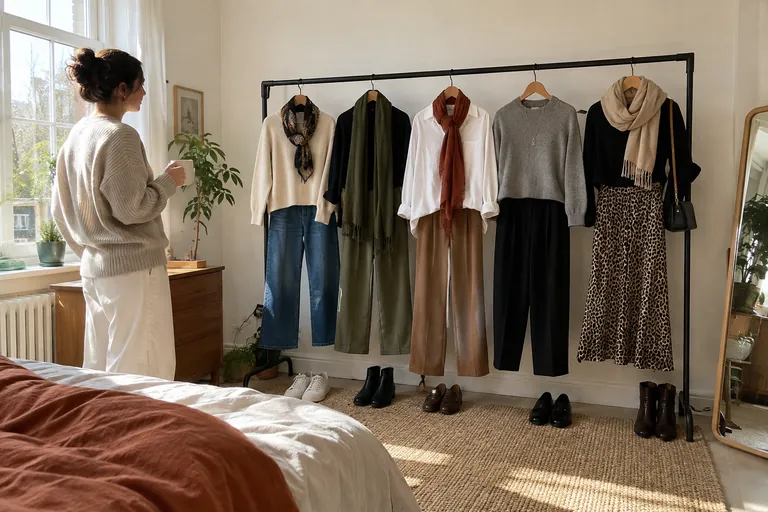
A simple dress, pants with a crisp top, or a coordinated set can work as a base, depending on the instructions. Start with a silhouette you know and feel comfortable in. If you buy a piece, try it on sitting and moving before removing the tags or asking for alterations.
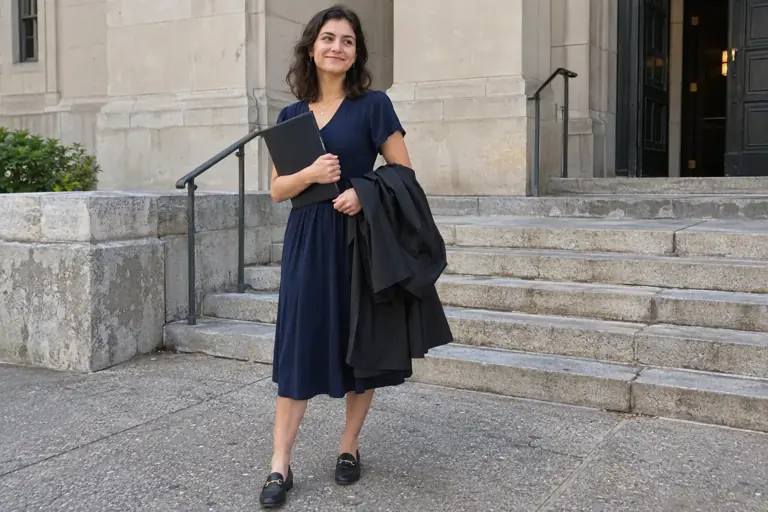
Look at the outfit without the gown, since it will probably be visible at some points during the day. Check the neckline, closures, and length. You should be able to hold a folder, greet people, and sit down without constantly adjusting your clothes. The guide to professional conference attire also offers helpful tips for a day that alternates between waiting, getting around, and more formal moments.
Plan for the gown if it’s part of the ceremony
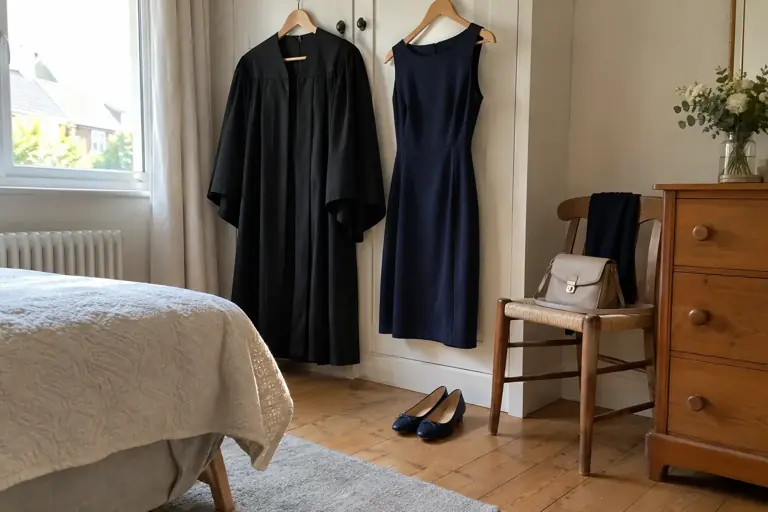
If the organizer provides a gown, find out when you can try it on and what will show underneath. A thick jacket, very full sleeves, or a wide collar can bunch up or add too much warmth. A simpler base often makes layering easier, but check the fit with the actual gown as soon as you have it.
Check how the gown closes and whether it needs to be secured in a particular way. Follow the instructions instead of adding pins or altering a borrowed garment without permission. If you’ll wear a cap or ceremonial sash, try them with your hairstyle and accessories. The goal is for everything to stay in place naturally while you wait and move around.
Choose shoes for the commute and the steps
Choose a pair you’ve already worn for a good length of time. Check the type of ground mentioned or shown in the venue information: indoors, cobblestones, grass, stairs. You don’t need heels to create a polished outfit. The tips in our guide to flats and dressy outfits help you build the outfit around a comfortable pair.
Check the length of your pants, dress, or skirt with these exact shoes. Step up onto a stair if you can do so safely during the try-on, then walk as you normally would. An hem that catches or drags underfoot should be fixed before the ceremony. If you bring a second pair, plan where you’ll keep them and when you can actually change, rather than counting on an uncertain opportunity.
 Read alsoWhat to wear to a restaurant patio in the evening: stay comfortable until you get home
Try sitting and standing in your outfit
Sit for a few minutes in the complete outfit. Notice whether the waistband, closure, or seams start to bother you. Check how the collar sits and how much the fabric shifts when you stand up. A ceremony can involve long stretches of sitting still, and an outfit that feels comfortable standing up isn’t automatically as comfortable in a chair.
Next, practice the simple movements you’ll make onstage: walking, turning, holding a program, and keeping one hand free. This isn’t about rehearsing choreography; it’s about making sure your clothes don’t get in the way. If you have to hold up a hem, roll up a sleeve, and carry a bag all at once, simplify one element. A small practical adjustment can help you enjoy the moment more.
Think about photos with and without the outer layer
Look at your outfit in everyday light and, if photos outdoors are planned, near a window or outside. Colors that closely match the gown can blend in visually; you may prefer a different contrast. There’s no one required color for every ceremony: compare the result with your clothes and the instructions you received.
Choose accessories that are comfortable and easy to manage. A long earring can catch on a collar or cap; a very bulky bag may need to be set down for photos. Also check the items in your pockets so they don’t distort your outfit. Keep essentials within reach, but don’t weigh down your clothes so much that they change how they hang.
Plan for waiting and leaving the venue
The temperature may vary between the trip, the venue, and outdoor photos. Bring a layer you can easily take off or put back on. If you don’t know whether there’s a coat check, choose a coat or jacket you can keep with you without getting in the way of the ceremony. Check the forecast as the day gets closer instead of relying only on the season.
Think about the small tasks you’ll handle that day, too: showing a ticket, finding someone you know, keeping your phone handy, or bringing water if the venue allows it. Your bag should meet those needs without becoming one more thing to manage. Check the event rules for permitted items. A well-prepared outfit goes hand in hand with keeping your belongings organized, so you have fewer things to juggle when it’s time to leave.
Flip cards
What should you check based on your plans?
A gown is providedFlip
Try on different layers underneath and follow the organizer’s instructions for fastening or securing it.
Outdoor photos are plannedFlip
Bring a layer you can easily put back on and check your outfit in everyday light.
The walk includes stairsFlip
Check the hem and shoes as you walk, with your hands occupied as they will be.
There’s a meal after the ceremonyFlip
Test how comfortable your outfit feels sitting down and plan where to put the gown or any accessories provided at the venue.
Gather everything before you leave
Get your clean clothes, shoes, and accessories ready together. Check the buttons, closures, and any small flaws early enough to fix them. Keep the outfit on a suitable hanger or stand so it’s ready to wear, then note anything you’ll need to add at the last minute. This way, you won’t discover an annoying detail as you’re heading out the door.
Save the full look in Vestly or add it to your outfit planner. You can keep a tried-and-tested backup option in case a piece isn’t available. When the day comes, your outfit is one less thing to figure out: you know how it feels to wear, where your things go, and what you can take off or put back on throughout the day.
Check off
My ceremony outfit is ready
0 / 5
You can focus on the ceremony and the people you’re sharing it with.
Watch a practical example
A visual example from Drusilla Shay to compare with the steps in this guide.
Video in English
Frequently asked questions
Do you have to wear a dress to a graduation ceremony?
Check your school’s guidelines. Depending on the setting, pants and a polished top or a coordinated set may also work.
Can you wear flats on stage?
Choose a pair that works with the guidelines and venue. Check that the shoes are supportive and in good condition, and that your outfit is the right length.
Do you need to buy a new outfit?
You can start by trying on pieces you already own. A comfortable fit, well-cared-for clothes, and a few thoughtful details may be all you need to put together the look you want.