Contents
The H-shaped body, also called a rectangle-shaped silhouette, is characterized by shoulders and hips of similar width and a subtle waist. It’s a slender silhouette that naturally suits straight cuts, menswear-inspired style, suits, and minimalist clothes.
The main goal is to create a waist when you want one and add dimension to a silhouette that can look a little straight. Here’s how, without ever feeling restricted.
Recognizing an H-shaped silhouette
You’re probably an H shape if your shoulders and hips are about the same width, your waist measurements are close to your hip and bust measurements, and straight-cut clothes fit you without alterations. This silhouette is often described as athletic or long and lean.
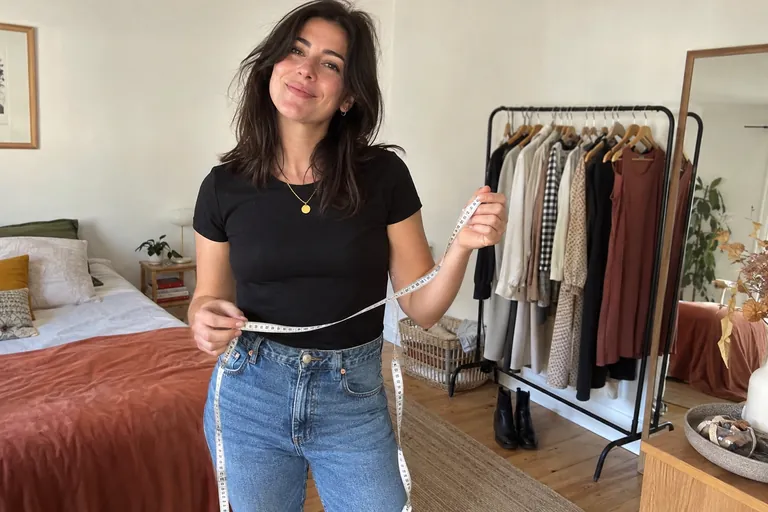
To confirm, our guide to find your body shape offers a simple test using three measurements.
H-shaped, X-shaped, V-shaped, or A-shaped silhouette: the differences
The chart shows how the H silhouette compares with the other body shape references, along with the main styling goal for each.
| Shape | Main feature | Styling goal |
|---|---|---|
| H (rectangle) | Shoulders and hips aligned, waist not very defined | Create a waist and add dimension |
| X (hourglass) | Balanced shoulders and hips, defined waist | Follow the waist without squeezing it |
| V (inverted triangle) | Shoulders wider than hips | Soften the shoulders and add movement to the bottom |
| A (triangle) | Hips wider than shoulders | Add presence to the top, keep the bottom fluid |
For a detailed comparison, read the guides to the V-shaped figure, the X- and 8-shaped figures and the A-shaped figure. The X or 8 silhouette is defined by a clearly marked waist; with an H shape, the waist is less defined, and that’s exactly what you can play up.
Define the waist
The first approach is to define a waist with a few simple styling choices:
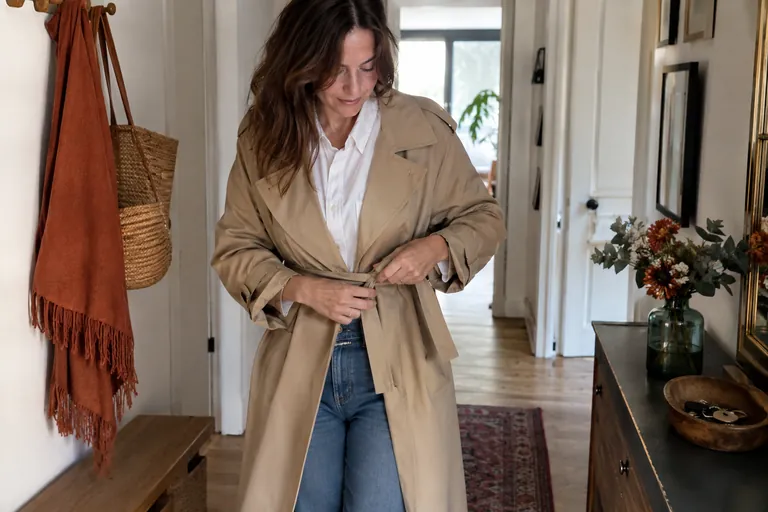
- Belts : worn over a dress, jacket, or coat, a belt creates a waist right away. Medium or wide belts work best.
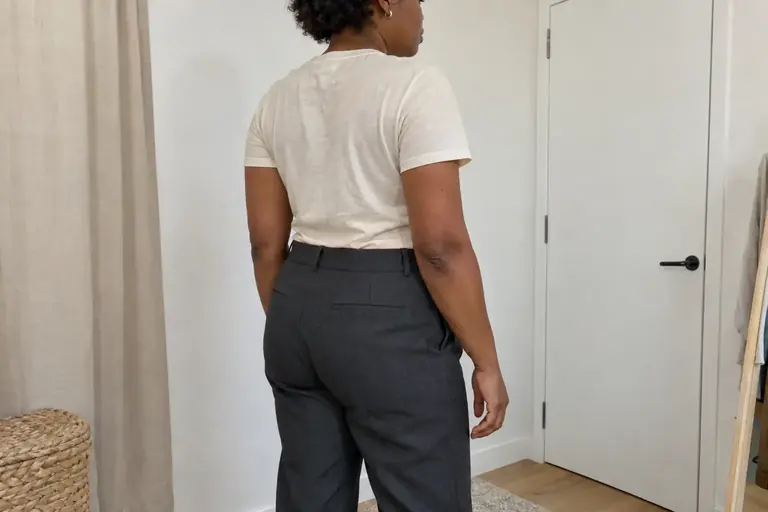
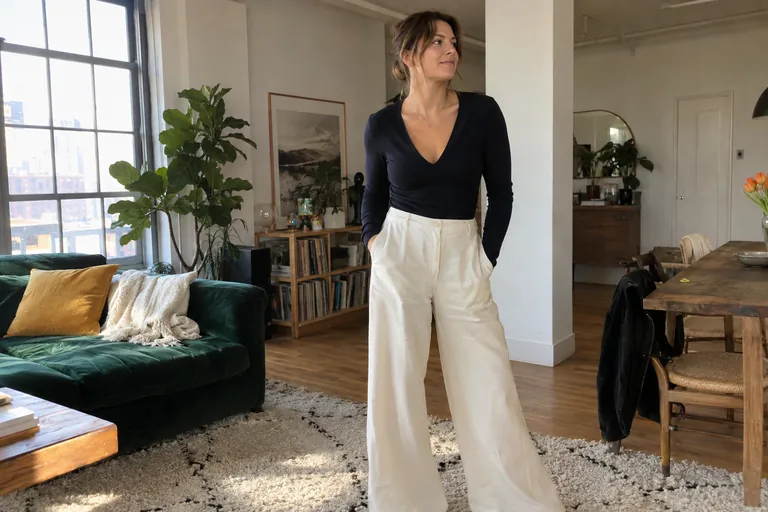
- Tucked-in tops : tucking a blouse or T-shirt into high-waisted pants defines the line between your top and bottom.
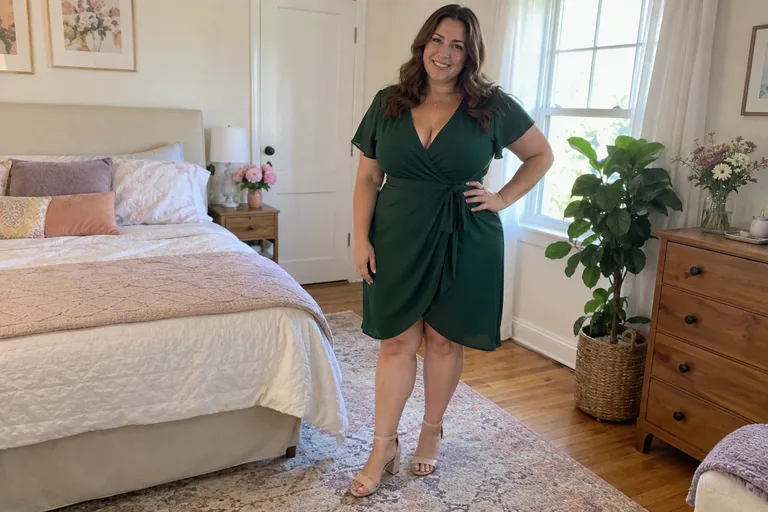
- Wrap cuts : wrap dresses, tops, and skirts create a diagonal line that suggests curves.
- Fitted jackets : a jacket that’s slightly fitted at the waist, with defined shoulders, shapes your silhouette.
- Peplum and flared hems : volume below the waist creates the illusion of hips.
A visual example from Pelumi Oduneye to compare with the steps in this guide.
Video in English
Add movement
The second approach is to balance volume: a little on top and a little on the bottom to add dimension.
- On top: statement sleeves, ruffles, chest pockets, structured collars, and layers.
- On the bottom: flared or pleated skirts, pleated pants, patch pockets, mom jeans, or flared jeans.
- Textured fabrics like chunky knits, tweed, and corduroy add depth.
Layering works especially well: a shirt under a V-neck sweater, an open jacket over a tucked-in top, or a sleeveless vest over a shirt. Each layer creates a line and adds dimension.
 Read alsoV-shaped body: cuts that balance your shoulders
Embrace the straight line
The H silhouette also looks great in straight, graphic cuts: straight dresses, jumpsuits, pantsuits, oversized suits, and men’s shirts. Minimalist style and casual chic suit it especially well. So there’s no need to create curves: it’s an option, not a must. Our guide which dress suits my body shape covers the cuts that work well.
What to pay extra attention to
- very straight dresses and tunics with no structure, which can look “boxy” if that’s not the intended effect;
- very thin, clingy fabrics from top to bottom;
- clothes that cut across your silhouette at the hips without defining your waist.
It all depends on the look you want: a very structured straight dress in a beautiful fabric can be perfect, while a long, shapeless T-shirt can overwhelm your silhouette.
Adapt the H-shaped silhouette to the season
In summer, a dress or skirt with a defined waist is often all you need to create shape. Very fluid fabrics call for a belt or a wrap cut so they don’t hang straight down. In transitional weather, a slightly fitted jacket over a tucked-in top adds the structure you’re looking for, and a textured sweater brings dimension to a straighter silhouette. In winter, a belted coat defines your waist without sacrificing volume, while you can build layers with a shirt or thin turtleneck under a chunkier knit.
Fabrics and patterns
Structured fabrics like tweed, velvet, chunky knits, and raw denim add dimension to a straight silhouette. By contrast, very thin, clingy fabrics worn from top to bottom can flatten it. Mixing the two works beautifully: a textured sweater over a fluid skirt, or a structured jacket over a jersey dress.
For prints, diagonal stripes, checks, and patterns placed at the waist or hips create movement. Vertical prints elongate your silhouette even more, which works well if you want to accentuate its long, lean lines.
Shoes and accessories
Belts are the go-to accessory for an H-shaped silhouette: keep a few in different widths and colors. Structured bags and shoes with personality, like loafers, ankle boots, or pumps, add character to a clean-lined look. Long necklaces and tied scarves create focal points.
Frequently asked questions
Can you wear straight dresses with an H-shaped body?
Yes, they’re actually one of the styles that suit this body shape best, especially in structured fabrics. Add a belt if you’d like to define your waist.
Should you always define your waist?
No. Defining your waist is one option for creating curves. A confident straight line is just as elegant.
Which jeans should you choose for an H-shaped silhouette?
High-waisted mom jeans, flares, or pleated styles add dimension. Straight-leg jeans also work really well, especially with a tucked-in top. To compare cuts that suit each silhouette, the guide choosing jeans for your body shape breaks down the cuts and lengths.
Can an H-shaped silhouette wear oversized styles?
Yes, this is actually one of the silhouettes that wears oversized styles most naturally. To keep the look structured, pair a loose piece with a more fitted one, or tuck the front of a roomy sweater into high-waisted pants. A belted oversized coat also defines the waist while keeping the volume.
Which jacket should you choose for an H-shaped body?
A slightly fitted jacket, or a straight-cut jacket worn with a belt, defines your waist. Biker jackets and cropped jackets that end at the waist create a clear break between the top and bottom. Oversized blazers work really well for a more graphic style.
Which swimsuit should you choose for an H-shaped silhouette?
Swimsuits that create lines and dimension: a one-piece with cutouts or a belt, a bikini with high-waisted bottoms, or ruffles or ruching at the bust or hips. Placed prints and color blocking also define the waist.
What’s the difference between an H-shaped and an X-shaped silhouette?
With an H-shaped silhouette, your shoulders and hips are aligned and your waist is less defined. With an X-shaped silhouette, your waist is clearly defined, with balanced shoulders and hips. To decide, take the three measurements in the guide to finding your body shape make it easy to compare these features.
How should you dress for a rectangle body shape at work?
Straight cuts, suits, and fitted blazers work really well. Add a belt or tuck in your top to define your waist, and keep one structured piece on top and another on the bottom. The guide women’s business casual has complete office outfit ideas.