Contents
X and 8 shapes have one thing in common: shoulders and hips of similar width, and a waist that’s noticeably narrower. They’re often called “hourglass” shapes. The difference comes down to curves: the 8 has rounder hips and a fuller bust, sometimes with a slight curve just below the waist, while the X is more angular.
These shapes are naturally balanced. The goal isn’t to rebalance them, but to follow the body’s lines, especially the waist, without drowning them in shapeless volume or squeezing them into overly tight clothes.
How to recognize an X or 8 shape
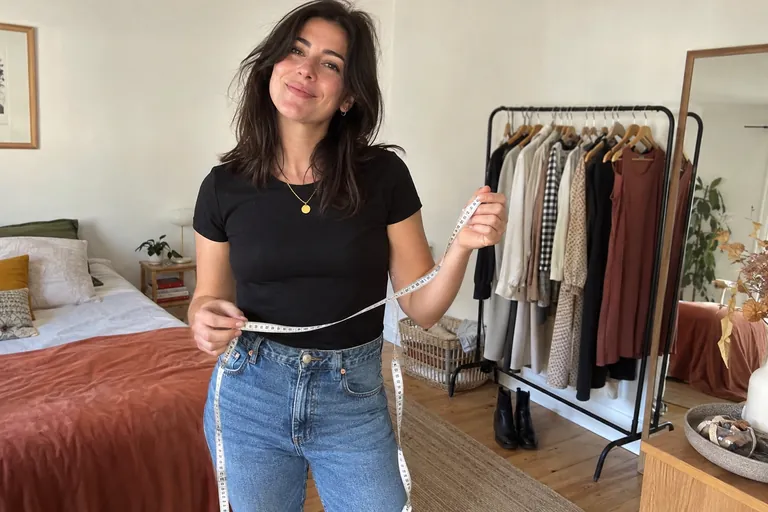
You probably have an X or 8 shape if your bust and hip measurements are close, with a waist that’s noticeably smaller than both. Straight-cut clothes often hang loosely at the waist, and belts sit naturally in place. The 8 is marked by more pronounced curves, especially at the upper hips.
Our guide to find your body shape lays out the three steps to take if you’re unsure.
How to spot an 8 or X shape in the mirror
The mirror helps you tell the two silhouettes apart without measuring. Stand sideways in fitted clothing and look at the line of your bust, waist, and hips. If your curves are rounded, with a full bust and hips framing a defined waist, your silhouette is closer to an 8. If your upper body and hips form sharper, straighter lines, your silhouette is closer to an X.
These are general guidelines, and your silhouette may fall somewhere between the two. In that case, tips for both can work together.
Flattering cuts
Dresses
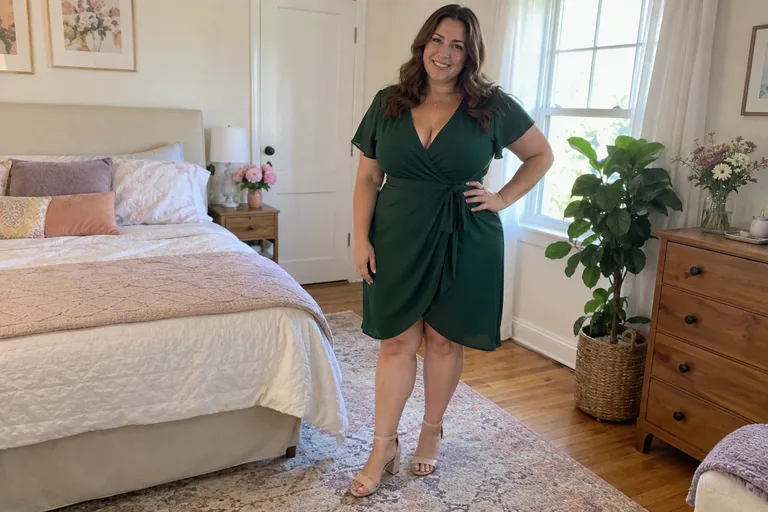
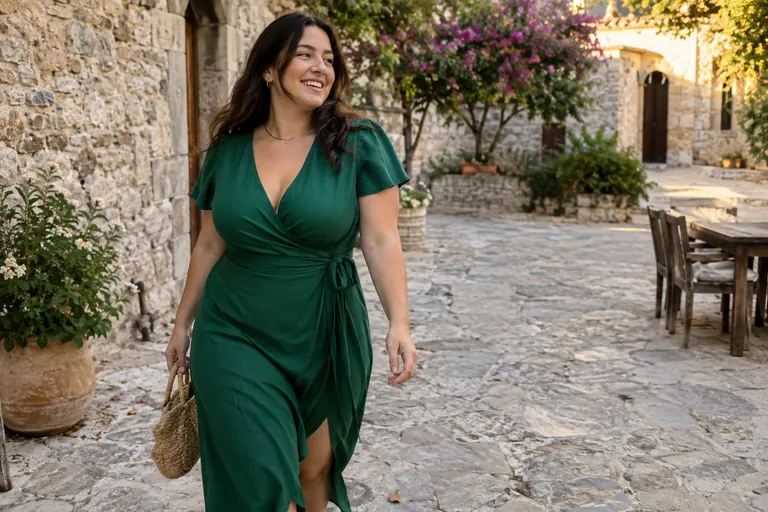
Wrap dresses are a perfect match for these silhouettes: they define the waist and create a flattering V-neckline. Fitted, sheath, skater, and belted dresses also work beautifully. For a special occasion, our guide to wedding guest attire has ideas to suit the occasion.
Tops
Wrap tops, fitted blouses, fine-knit sweaters tucked in, bodysuits: anything that follows your waist without feeling tight. V-necks, U-necks, and square necklines flatter your bust.
Bottoms
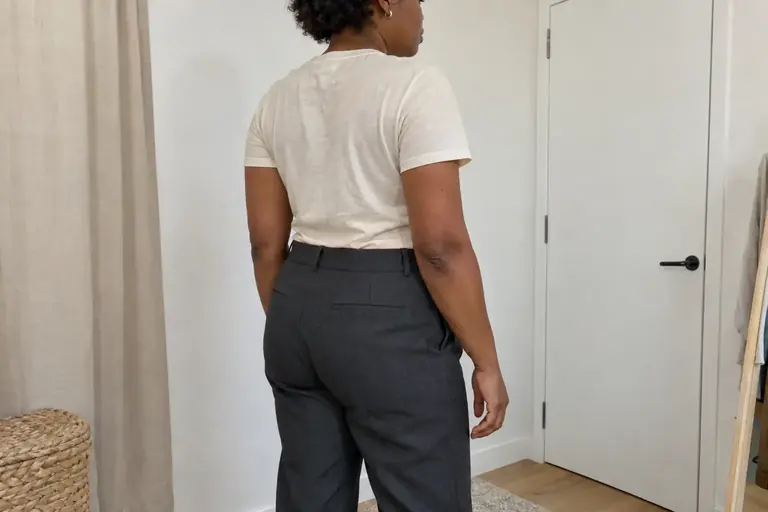
High-rise straight-leg, flare, or cigarette pants; high-waisted pencil or A-line skirts: a high waist naturally extends your waistline. Slightly stretchy high-rise jeans follow your curves without squeezing them. To choose a cut, our guide to which jeans suit your body shape covers every style.
Jackets
Fitted jackets, tailored blazers, belted trench coats, cropped moto jackets that end at the waist. A long, straight jacket can be worn with a belt.
Fabrics that work well
Fluid fabrics with a little structure follow your curves without emphasizing them: substantial jersey, crepe, fine wool, stretch denim, ribbed knits. Very stiff fabrics can create unflattering creases over curves, while very thin fabrics can cling. The sweet spot is a fabric that drapes while following your shape.
For the office, the women’s business casual outfit guide breaks down which pieces to pair based on the dress code.
 Read alsoWomen’s body shape: how to identify your silhouette (A, V, H, X, 8, O)
What to pay extra attention to
- very loose clothing from head to toe, which hides your waist and can make your silhouette look heavier;
- short, straight-cut tops that end above the waist without defining it;
- low-rise pants, which cut across your silhouette at the hips;
- very stiff or very thick fabrics throughout the outfit.
If you love an oversized style, go for it: pair a loose piece with a fitted one, or belt a roomy coat to keep your waist visible.
The difference between X and 8 shapes when choosing clothes
For an X silhouette, with straighter lines, structured, slightly graphic cuts like blazers with defined shoulders work well. For an 8 silhouette, with more pronounced curves, softer cuts and fluid fabrics follow your shape better. Both look great with a defined waist; only the way you define it changes.
Many people fall between the 8 and A shapes, with hips slightly wider than their shoulders. In that case, tips from the guide to A-shaped figure to balance your upper body pair well with these tips.
Prints and colors
A balanced silhouette works well with prints, as long as they don’t hide your waist. Medium-sized prints across a fitted dress follow your curves naturally. Color blocking that separates the top and bottom at the waist also highlights your shape.
When in doubt, a belted monochrome outfit is a sure bet: it elongates your silhouette while defining your waist. A belt in a contrasting color then adds a focal point in just the right spot.
Shoes and accessories
Belts, whether slim or wide, are the obvious accessory. Pumps, strappy sandals, and heeled ankle boots elongate your legs and highlight your shape. Short or mid-length necklaces draw attention to your neckline. Just avoid piling volume in one spot, like carrying a large bag at your waist with a dress that’s already belted.
X versus 8 body shape: what should you check on the garment?
The distinction between X and 8 does not predict how comfortable a cut will feel. Two people using the same label may prefer different clothes. When choosing a piece, watch how it behaves on you, without trying to change your body to fit a category.
| Garment | Movement to try | What to notice |
|---|---|---|
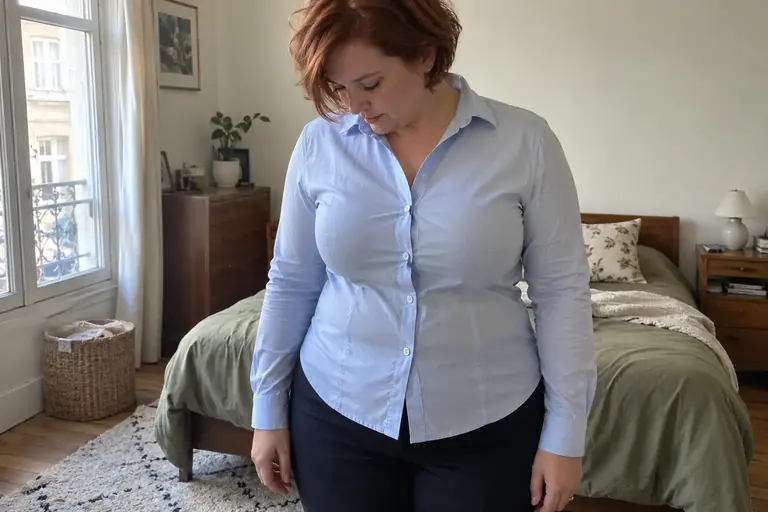
| A buttoned shirt | Reach your arms forward, then sit down. | Does the fastening remain comfortable without pulling? |
| Pants | Sit down, then stand up normally. | Does the waistband stay put without squeezing or needing to be pulled up? |
| A dress | Walk, then raise your arms to a comfortable height. | Does the garment return to a position you like? |
Is a difference in measurements enough to choose X or 8?
A reading depends on the reference points and the measuring method. Do not combine shoulder width with hip circumference to obtain a label. The guide to taking clothing measurements distinguishes body measurements from those of a garment laid flat. A body shape label remains a style reference, without a medical threshold or a guaranteed clothing size.
What should you note when two sizes fit differently?
Note the model, size and exact area that feels uncomfortable. Another cut or fabric may work better than simply changing size. Keep your preference as the final criterion: these checks neither classify your body nor make any cut compulsory.
Watch a practical example
A visual example from Erica Ball Style to compare with the steps in this guide.
Video in English
Frequently asked questions
What’s the difference between an X-shaped and an 8-shaped body type?
Both have balanced shoulders and hips and a defined waist. The 8 has rounder curves, especially at the hips and bust, while the X is more angular.
Can you wear oversized styles with an 8-shaped silhouette?
Yes. Pair a loose piece with a fitted one, or add a belt. A very loose head-to-toe look, though, can hide your waist.
Which swimsuit should you choose?
Swimsuits that define the waist—like a belted one-piece or a two-piece with high-waisted bottoms—are generally the most flattering.
How can I tell if I’m more X-shaped or 8-shaped?
Both shapes have a defined waist and balanced shoulders and hips. If your bust and hips have rounded curves, the 8 shape is probably the closest match. If your figure looks more defined and angular, you’re more likely an X. To confirm, take your three measurements.
Which dress should you choose for an X-shaped body type?
Wrap, fitted, and sheath dresses follow your shape without feeling restrictive. Avoid straight, very loose cuts that hide your waist. The guide to dresses for your body shape goes into detail on each cut.
Can you fall somewhere between an 8 and an A?
Yes, that’s common. Hips that are a little wider than your shoulders, along with a defined waist, can put your shape somewhere between the 8 and A types. In that case, combine tips from both groups: define your waist and balance your upper body.