Contents
- Choosing a piece you truly feel comfortable lending
- Try it on before confirming
- Check the garment’s condition together
- Clarify care instructions before the first wear
- Distinguish a try-on from a confirmed loan
- Set a realistic return date and method
- While it’s on loan, keep it in a separate spot
- If it gets stained or slightly damaged, let them know before trying to fix it
- Return everything and make it easy to check
- Frequently asked questions
A jacket for an interview, a dress for a night out, or a coat for a trip: borrowing a piece can help you avoid a one-time purchase. Lending is much easier when the try-on, care instructions, and return are planned before the garment leaves the closet.
To lend a garment, choose one that suits the occasion, check its condition together, and agree on how it will be returned. A date, a way to transport it, and clear care instructions are often all you need. The goal is to make it easy for both people to share the garment.
Choosing a piece you truly feel comfortable lending
Start with the garment and the occasion. A very delicate piece, one that’s hard to replace, or one you need for an upcoming event calls for extra care. You may prefer to offer another option that’s easier to wear and care for. Lending should feel comfortable, not like a commitment you made too quickly because the request came at the last minute.
If you’re borrowing, describe how you plan to use it: for how long, the trip, indoors or outdoors, and any special activity. This information helps you choose a suitable piece. A dress that works for a sit-down dinner may not be right for a full day outdoors. You don’t need to share the whole story of the event, just the details that could affect how the garment wears or when it needs to be returned.
Try it on before confirming
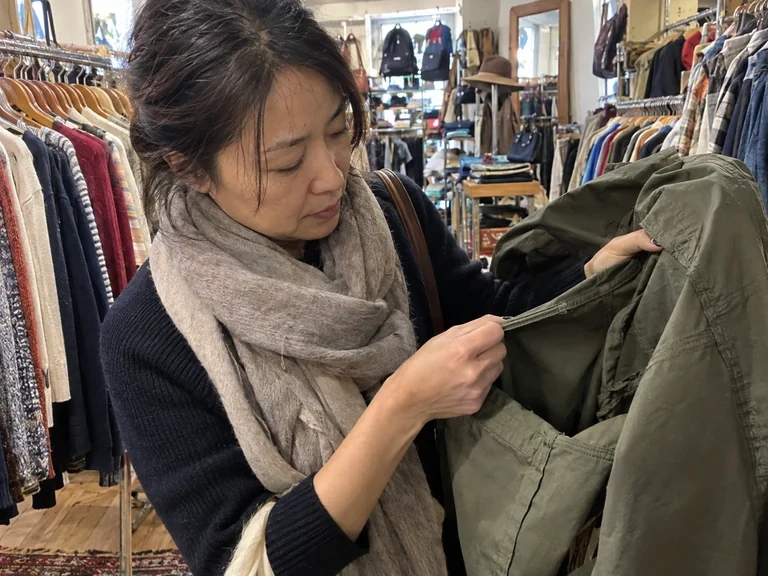
If possible, try on the piece with the shoes and clothes you’ll wear with it. Sit, walk, and try the movements you’ll need to make. Check the fastenings, sleeves, and length. A borrowed garment should suit your needs without requiring a last-minute adjustment to make it wearable.
If the fit feels restrictive, look for another piece instead of planning to pull the fabric, move a button, or hem it without asking. Even a temporary adjustment can leave marks. Always ask the owner before making any changes, even if they seem minor. Trying it on lets you decide early whether borrowing is a good option or whether it’s better to keep looking.
Check the garment’s condition together
Check the areas that matter for the piece: collar, cuffs, hem, fastenings, buttons, and seams. Point out any small marks that are already there. This doesn’t need to become a detailed inventory; it’s mainly a way to make sure you both understand the garment’s condition.
For a delicate piece or a longer loan, a few photos of the garment by itself can help you remember the details. Keep them for this purpose and avoid including unnecessary personal information. Our guide to recognizing a well-made garment offers useful details to look for, even when you’re not shopping. If a seam already looks fragile, it’s best to fix it before lending the garment or choose another piece.
Clarify care instructions before the first wear
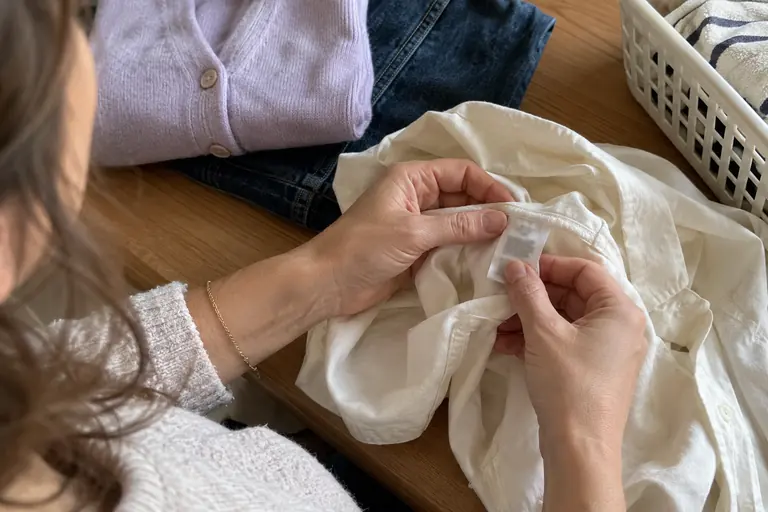
Read the care label together and agree on what’s expected when the item is returned. Some people prefer to get the garment back before any cleaning; others ask for specific care they’re already familiar with. Don’t assume a regular wash is right for the piece. Its fabric, lining, and finishes may need a different method than your everyday clothes.
The guide to understanding clothing labels helps you read the care instructions. If professional cleaning is needed, agree on how to arrange it before lending the item. Also check how much time you have. A garment returned the day after an event may not have time for a lengthy cleaning process; it’s better to plan for this than turn it into an urgent conversation when the item is returned.
 Read alsoWomen’s capsule wardrobe: a list of essentials and how to choose yours
Distinguish a try-on from a confirmed loan
A piece tried on with friends isn’t necessarily the one that will ultimately be taken. Before putting it in the bag, confirm the choice and the accessories that go with it. This avoids holding on to several options for weeks when only one was used. If you borrow two sizes or two styles to decide later, agree on when the one you don’t choose will be returned.
Keep another option in mind in case the try-on doesn’t work out. Lending is simpler when no one has to force a fit or alter the garment to make the event happen. A clear decision before it leaves protects both the plans and the piece itself.
Set a realistic return date and method
Choose a return date that accounts for the event, transportation, and agreed-upon care. Avoid a vague “whenever you can” if the piece will be needed soon. A planned meetup can make returning it easier, as long as it leaves enough time for the person lending it.
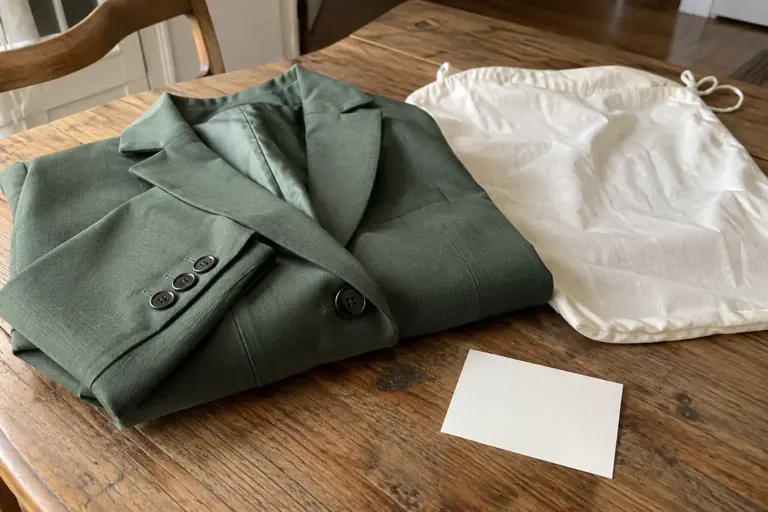
Also specify how the garment will be transported: in a garment bag, a clean bag, on a hanger, or folded appropriately. A structured jacket and a soft knit don’t go away the same way. If an accessory is lent with the piece, make a note of it too: a belt, spare button, or special garment bag. A short list makes it easy to return everything together without searching for items separately days later.
While it’s on loan, keep it in a separate spot
Store the borrowed piece somewhere clean and easy to identify. Don’t immediately mix it into a laundry basket with clothes that are already set for a different care routine. After wearing it, check its condition and follow the agreed plan. A damp garment shouldn’t stay sealed in a bag while you wait to return it.
If you travel with the garment, protect it from shoes and anything that could snag it. Keep its accessories together. Storing it separately mainly helps you avoid automatic habits: washing it with another load, lending it to a third person, or making an alteration out of habit. Any new use or change should be discussed with the person who lent you the piece.
If it gets stained or slightly damaged, let them know before trying to fix it
If something happens, describe it promptly and clearly. Explain what happened and what’s already been done, without trying several products to hide the mark. An unsuitable treatment can complicate a repair or cleaning that might otherwise have been possible.
Agree on the next step together: contact the brand, a tailor, or a garment care professional, depending on the item. The right choice depends on the actual damage and the garment’s care instructions. Don’t promise a result before it’s been assessed. Clear communication makes it easier to find a reasonable solution instead of returning the item without an explanation or replacing it with a style chosen without agreement.
Flip cards
What to decide before lending it
The owner will need the garment soonFlip
Set a specific return date, with some extra time for the planned care.
The label calls for special careFlip
Agree on who will take care of it and when, before it’s worn for the first time.
There’s already a small markFlip
Take a look at it together and make a simple note of it if that helps.
The outfit would need an alterationFlip
Ask for permission before making any changes, or choose another piece.
Return everything and make it easy to check
Before returning the garment, check that it’s in the agreed condition, completely dry if it was washed, and that all its accessories are included. Pack it for transport without compressing it unnecessarily. If anything seems different, mention it when you return it rather than waiting for someone to discover it later.
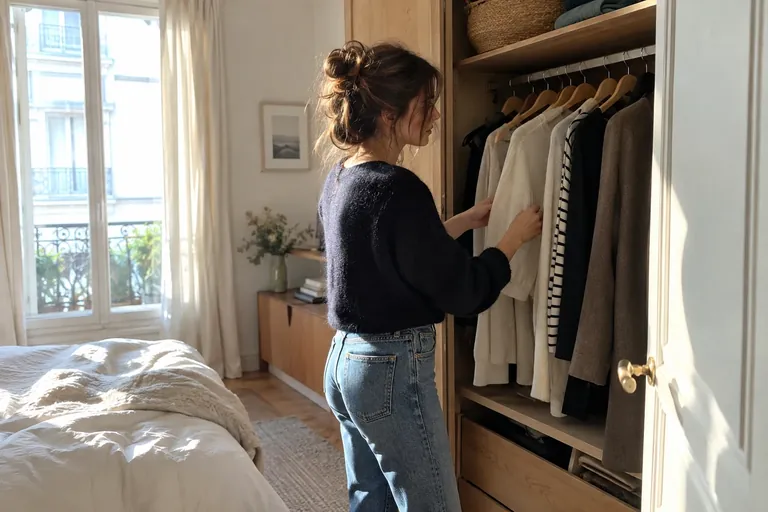
The person picking up the piece can then put it back into their usual wardrobe routine. Our guide to organizing your closet helps give it a visible place again. If you use Vestly for your wardrobe, keep a personal note of pieces that are temporarily away, then update your setup once they’re back. That way, lending stays practical, with no forgotten garments or unnecessary searching.
Check off
Ready to lend
0 / 5
The details are settled; the garment can be shared more easily.
Watch a practical example
A visual example from Alyssa Barber to compare with the steps in this guide.
Video in English
Frequently asked questions
Should you always wash a garment before returning it?
Agree on this before the loan. The person lending the garment may prefer to care for it themselves, especially if it’s delicate or they know its care instructions well.
Can you lend a garment you borrowed to someone else?
Ask the person who lent it to you first. The new use, loan period, and return arrangements may differ from what you agreed on.
What should you do if you can’t make the return date?
Let them know as soon as you can and suggest a concrete solution. Most of all, check whether they need the garment by a specific date so you can arrange another way to return it.