Contents
Separate transparency, outlines, and visible pockets
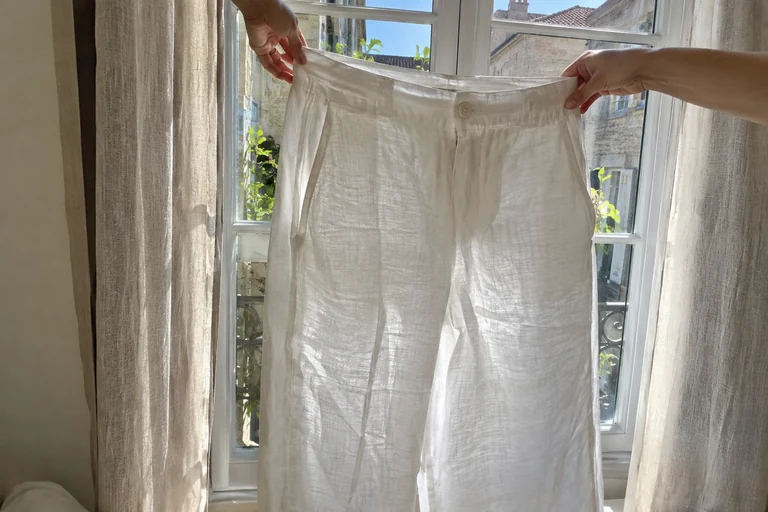
First name what you see: the color underneath, a seam outline, a pocket bag, or lighter areas during movement. These observations raise different questions. A seam can remain visible through relatively opaque fabric; see-through material does not become opaque simply because a seam is smoother.
Look at the garment as worn rather than stretching the fabric deliberately for an extreme test. Compare the result with what you want to reveal or cover. There is no universal level of discretion to achieve. body shape can describe proportions; they decide neither your comfort nor your preferred coverage.
Compare lighting without sharing intimate photographs
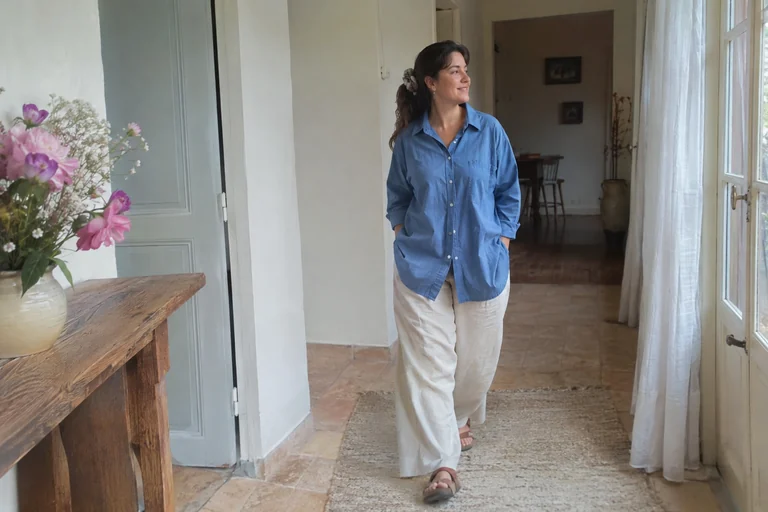
Try indoor light, a window, and light behind you when those conditions match your day. Keep the same outfit during the comparison. Move as you actually will: walk and sit on a suitable chair. You can notice a change without taking or sending a photograph of underwear.
If you use a picture to remember an outfit, exposure and camera angle can change its appearance. It cannot certify what everyone will see outdoors. A mirror and your observation are enough to decide. For a possible purchase, check fitting and return conditions before altering the garment; you are not obliged to buy another solution.
Choose a base layer by its actual effect
Begin with something already comfortable. Compare a shade close to your skin and another close to the pants if you own them, without treating one beige as suitable for everyone. Lower contrast may still be visible; it is not a lining. Underwear remains a matter of preference rather than a prescribed outfit.
If you want more coverage, a more covering layer is one option to try. Check that it stays in place, does not pull, and suits the temperature. “Seamless” does not guarantee that no edge will show. A sewn lining is a separate alteration to discuss with a qualified person when needed.
| Your aim | Reversible trial | Limit to check |
|---|---|---|
| Less contrast | Compare an available shade | Fabric may remain see-through |
| More coverage | Try a comfortable layer | Movement and warmth |
| Another effect | Choose another garment | No purchase is required |
Check the top and hem while moving
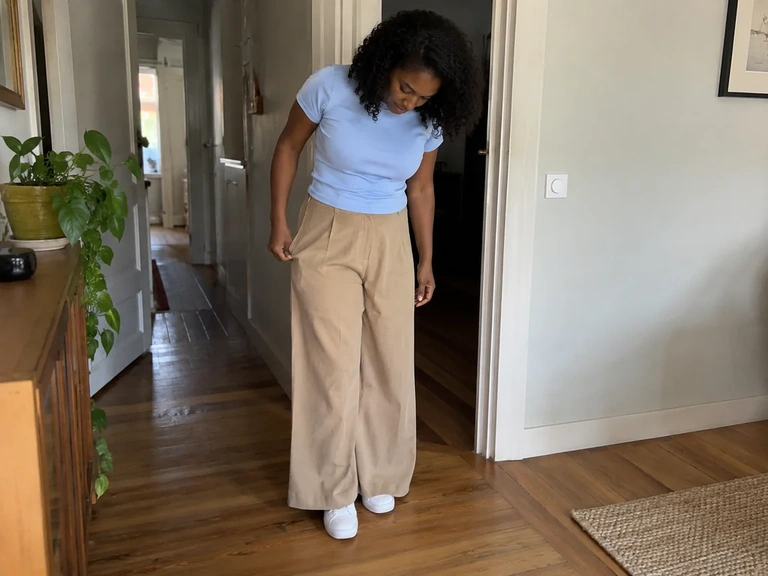
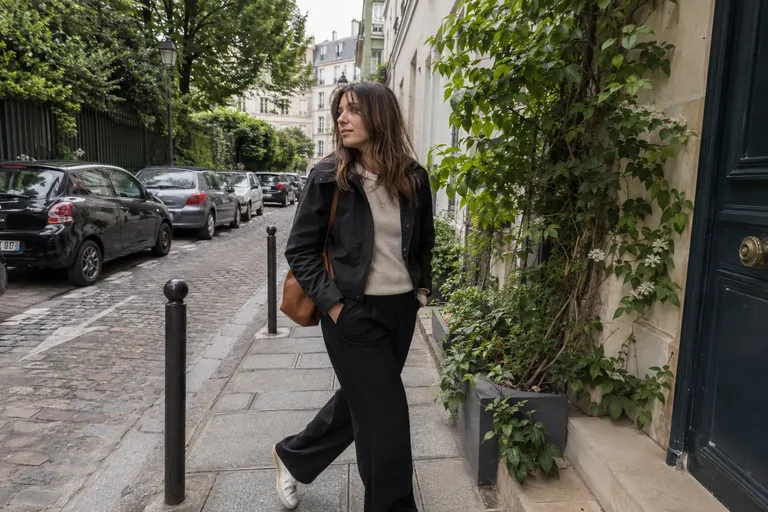
A long top or jacket may cover an area while standing and move away when you sit. Check the complete outfit without having to hold a garment closed in an uncomfortable position. wide-leg pants length raises another question: the hem must remain practical with your chosen shoes. A layer underneath should not add another problem.
You may prefer transparency as a visual effect, different coverage, or another outfit. None of those choices corrects your body. Stop comparing when it no longer helps; you need not perform repeated tests to justify a preference.
 Read alsoHow to put together a harmonious outfit with what you have
Do not look for opacity in a laundry recipe
Fiber content alone does not describe the finished garment’s opacity. Linen care follows the item’s instructions rather than a promise to make every fabric more covering. Do not deliberately shrink the pants or add a product to hide transparency. Care and outfit choice are separate decisions.
Video in English
Vestly can help organize visual combinations in your wardrobe. A photograph or virtual try-on does not measure light passing through fabric or base-layer comfort. Keep the final decision grounded in the real outfit.

Find your approach
Which effect do you want to check?
Choose an observation.
Choose the closest match: the corresponding guidance will appear here.
I see a color underneath
Compare contrast
Keep the same pants and change one layer.
I see an outline
Look at edges
Visible edges and transparency are different observations.
I want more coverage
Try a comfortable layer
Check that it stays in place without pulling.
I like the effect
Keep your preference
There is no required discretion standard.
The layer feels uncomfortable
Choose another combination
Remove it rather than extending discomfort.
You want to wash it
Read care instructions
Washing does not guarantee opacity.
Quiz
Three useful checks
Does less contrast mean opaque?
See the answer
No, these are different effects. The fabric may still be see-through.
Does a photo certify the outdoor effect?
See the answer
No, lighting and angle matter. Check the outfit in its real conditions.
Does body shape prescribe coverage?
See the answer
No, your preference decides. A body description is not a clothing obligation.
Check off
Before keeping this outfit
0 / 5
These checks prepare a decision, not an opacity certification.
Frequently asked questions
Must I hide transparency?
No. Choose the effect and coverage you prefer.
Is white underneath invisible?
No color is universally invisible. Compare the actual outfit.
Must I buy a base layer?
No. Start with what you own or choose another outfit.
Is a jacket enough?
It may cover an area in some positions. Check sitting and movement too.
Will washing make it opaque?
It is not guaranteed. Follow instructions and avoid treatments intended to shrink it.
Does Vestly measure transparency?
No. Visual combinations do not replace observing the real garment.
Sources and scope
Sources checked November14,2026. The UNIQLO document is a manufacturer archive, not a current offer or evidence about your pants. Original comparison method; our team performed no physical garment test.