Contents
- Which black and brown outfit comparison should you try?
- Why compare shades before deciding?
- What brown do you actually have in your closet?
- Which piece should you start with?
- What changes with another texture in the same colors?
- Do your bag and shoes need to match?
- Which starting point can you try with your clothes?
- How do you keep the combination you enjoy?
- Why are color names not enough?
- How do you review the test before planning a purchase?
- How can you observe contrast in a video?
- Frequently asked questions
- Sources and references
Which black and brown outfit comparison should you try?
Choose one difference to observe. These four starting points describe a comparison, not a taste score or approval of your workplace dress code.
| Your preference | One option | What to notice |
|---|---|---|
| Subtle contrast | Black and dark chocolate brown | Do the pieces look distinct enough for your taste? |
| A standout piece | Black and caramel brown | Which piece catches your eye first? |
| Texture without another color | A brown knit and smooth black pants | Do you like the contrast of surfaces? |
| A different accessory | A brown bag with black shoes | Do you like the outfit without matching every detail? |
Why compare shades before deciding?
Contrast depends on the actual pieces, not just the word brown. Caramel may stand out against black pants, while very dark chocolate may sit closer. Compare them in your daily light and choose the difference you enjoy. No color-temperature category can prescribe one outfit for everybody here.
Textures play the same role. Two dark pieces with identical surfaces blend together; knit, leather, or denim that catches the light makes the pairing easier to see.
What brown do you actually have in your closet?
The word “brown” covers very different clothes. A caramel jacket, a chocolate sweater, and cognac shoes don’t create the same effect with black pants. Take the piece out of your closet and hold it next to the black item you want to wear. Some blacks are deep, while others are faded or slightly gray. Judge the pairing using these actual pieces rather than two color names. To find out which shade brings out your face, the Color analysis offers some pointers.
Hold them near a window, out of strong direct sunlight. First, notice whether the difference looks clear, subtle, or uncertain. A subtle difference may be exactly what you’re after. If the pieces seem to blend without quite coming together, you can play with their textures: a textured knit stands out against smooth pants even when both colors are dark.
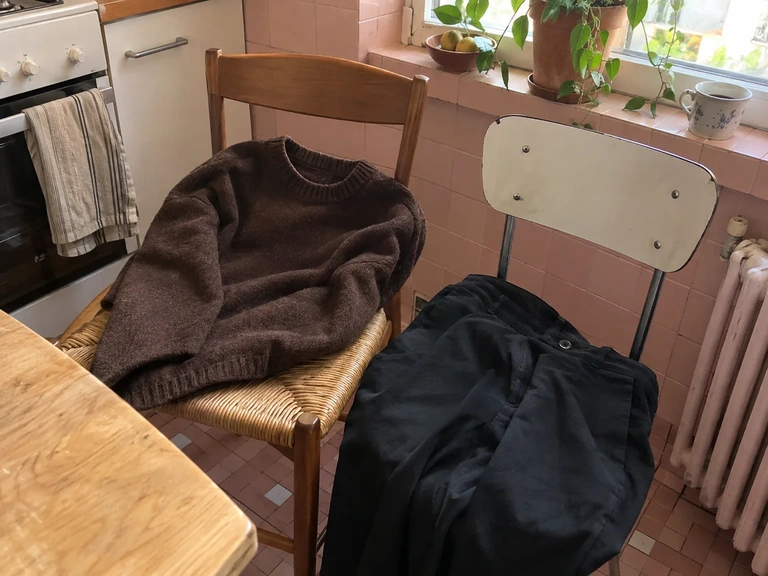
Avoid drawing conclusions from two product photos. Lighting and screens change how colors look. If you already own the clothes, trying them side by side is the clearest guide. The guide to pairing clothing colors covers the other main color pairings; here, you can focus on your duo.
Which piece should you start with?
An easy way to start is to keep a black base and add just one brown piece. The capsule wardrobe offers a starting list for building tops and bottoms that work together. Black pants and a black top with a chocolate cardigan take little thought. The cardigan becomes the visible variation. With a caramel jacket, the contrast is stronger: try it open and then closed to see how much of each color you want to show.
You can reverse the logic. A brown dress with black shoes, or brown pants with a black top, create a different balance. There’s no required percentage to follow. Just notice what catches your eye first and ask yourself whether that suits how you feel today.
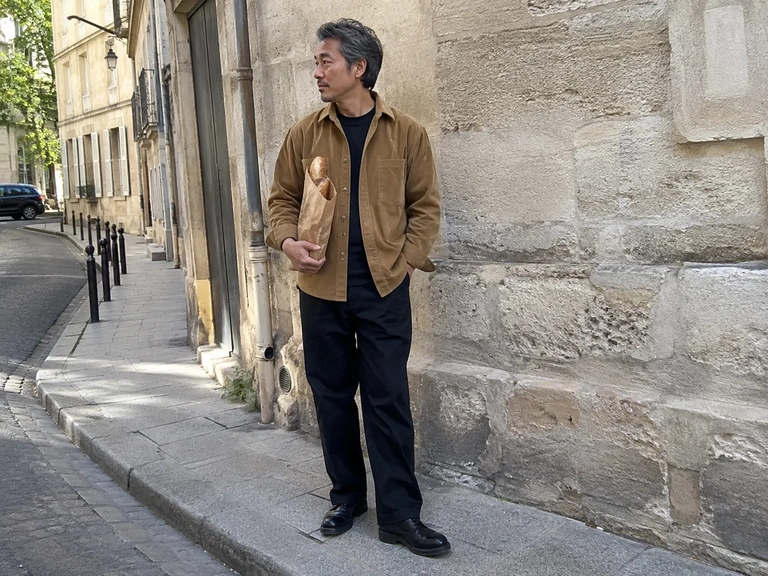
If you like everything except one detail, don’t start the whole outfit over. Change the piece that bothers you first. A shiny bag may draw your attention more than the black-and-brown contrast itself. Take that accessory off for a moment, and it’ll be easier to identify what’s making you hesitate.
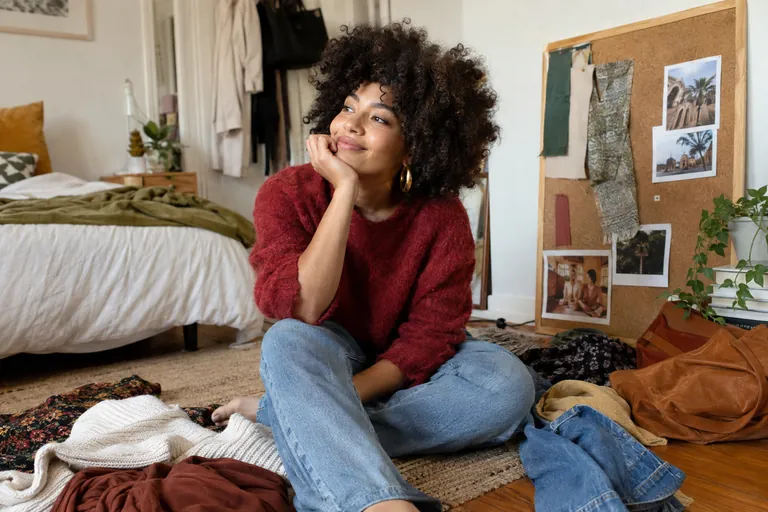 Read alsoFind your personal style in 5 steps
What changes with another texture in the same colors?
With two dark colors, the surface of your clothes gets interesting. Ribbed knit, matte denim, a smooth shirt, and grained leather each reflect light differently. You can choose two distinct textures to make the pairing easier to read, without adding more accessories.
Try a relaxed chocolate sweater with black pants in a crisp fabric, for example. Then swap the sweater for a smooth brown shirt. The palette barely changes, but the overall impression can be different. Notice the folds, seams, and shapes instead of trying to decide which combination is objectively better.
Don’t add contrast just for the sake of it. If you like simple, matte clothes, stick with that preference. A subtle difference between fine knit and cotton may be enough. The goal is to understand the possibilities in your pieces, not to turn every outfit into a technical exercise.
Do your bag and shoes need to match?
You don’t need a bag that exactly matches your brown shoes. Cognac shoes with black pants can work with a black or dark brown bag—or no bag at all. Look at the whole picture: the bag’s size, placement, and details matter as much as its color.
For your first try, choose shoes you can actually wear all day. Then add the bag you need. If the result feels busy, take off another accessory before deciding that mixing leathers can’t work. A belt, a scarf, and a statement bag may simply create more focal points than you want.
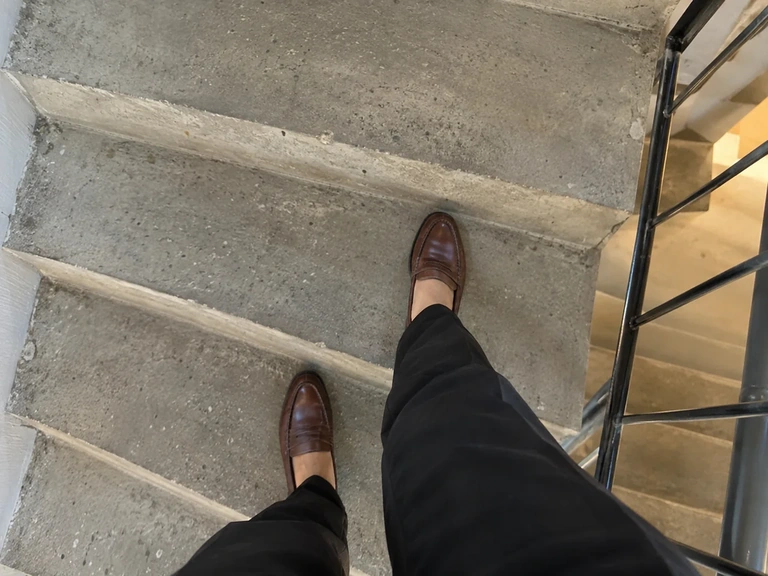
Also check the pants’ length with this exact pair of shoes. A color combination you like won’t make up for a hem that drags or gets caught under your shoe. Comfort and ease of movement are separate things to check in the actual outfit.
Which starting point can you try with your clothes?
Still unsure as you look through your wardrobe? Choose the arrangement below that most resembles your closet. The selector offers two versions for each situation. Use them as a starting point and swap in pieces you own, with no need to shop.
Outfit ideas
Choose your black-and-brown starting point
Black pants, a black top, and an open chocolate cardigan. Keep your usual shoes, then see if the knit texture adds the dimension you want.
See all ideas
Black base
- Black pants, a black top, and an open chocolate cardigan. Keep your usual shoes, then see if the knit texture adds the dimension you want.
- A simple black dress and a caramel jacket. Try the jacket open and then closed to choose how much contrast you want.
Brown base
- Brown pants, a black shirt, and your familiar black shoes. Check how the outfit feels sitting down and make sure the pants are the right length.
- A chocolate dress, a black cardigan, and ankle boots that work for your commute. Keep your bag understated if you want a calm palette.
Small accent
- A black outfit with cognac shoes. Add a brown belt only if you need one or like the echo of brown.
- Black jeans, a familiar top, and a brown bag. Compare this version with the same outfit without any other visible accessories.
How do you keep the combination you enjoy?
Wear the outfit for a few minutes, not just long enough for a quick mirror check. Look at it up close and then from a distance. A texture difference that looks interesting from ten centimeters away may be subtle from farther back; that’s not a flaw if you like the understated effect.

In Vestly, you can build looks around your brown piece and save the ones you like. Photograph your clothes in good light so they’re easier to find later. The virtual try-on lets you explore an idea; your in-person try-on confirms the shades, feel, and comfort. If you find several combinations you love around the same item, you’ll have an easy starting point for the next few mornings.
How can you keep a black and brown comparison?
Compare one difference at a time: shade, fabric or the place of an accessory. An outfit does not need a third color to work. You should like the result with your actual clothes, in the light of your day.
Do you need to buy something to fix the combination?
Start by removing or replacing something you already have. A shirt, belt or the way you wear a jacket can change the outfit. You can also keep it very simple: black and brown alone do not create a problem that requires a purchase.
How can you keep the comparison useful?
Look at both versions in similar conditions. A photo in different lighting does not let you judge only the outfit. Note the exact pieces and your preference; these trials do not define a universal color or body shape rule.
Why are color names not enough?
Two chocolate labels do not guarantee identical objects. A glossy surface can look lighter under a lamp, and a screen cannot reproduce every aspect of the material. Compare the garment worn with the other pieces. If you cannot check a pairing before buying, keep that uncertainty in mind instead of declaring a perfect match from a thumbnail.
How do you review the test before planning a purchase?
Describe what changed and what stayed the same. For example, compare the same black base with a chocolate knit and then a caramel jacket, but recognize that those tests also change cut and texture. To isolate color, choose more similar pieces. A useful comparison acknowledges its limits rather than turning every preference into a rule.
Check off
Review my black and brown combination
0 / 4
This review describes your test; it does not rank body shapes.
If your uncertainty is about accessories, compare your belt and shoes separately. The guide distinguishes a quiet echo, a visible accent and a concealed belt, so you can keep the same pants during the test.
How can you observe contrast in a video?
A visual example from Marie-Anne Lecoeur - The French Chic Expert to compare with the steps in this guide.
Video in English
Frequently asked questions
Does black and brown go together in an outfit?
You can wear these colors together. Compare the actual brown shade with your pants and comfortable shoes. A lighter brown stands out more; very dark brown can stay quiet.
Do you need a third color?
The two colors can be enough. Add another if you like its effect, without trying to fix a pairing that is supposedly forbidden.
How can you keep chocolate and black distinct?
Compare the pieces in daylight. A different texture or lighter brown can make the separation clearer. Keeping a dark outfit remains an option if you prefer it.
Which brown should you choose for an office outfit?
Check your workplace dress code, then try your actual pieces. Quiet chocolate or more visible cognac are styling options, not a guarantee that the outfit is accepted everywhere.
Do the bag and shoes have to match?
You can choose repetition or contrast. Also look at the outfit without the bag, since you may not carry it throughout the event. The belt can echo the pants rather than the shoes.
Do you need to buy a warm brown to make the pairing work?
No purchase is required. Start with clothes already in your closet and compare one difference. Shade names cannot replace trying the actual objects together.
Sources and references
- Vestly, how the app works, accessed September 30, 2026.
- The suggested pairings are editorial ideas to try based on your clothes and preferences.