Contents
- Tell pilling apart from other small flaws
- Understand where friction occurs
- Choose a tool for the surface
- Start with a small enough test area
- Work in small sections without overdoing it
- Prevent pilling without piling on treatments
- Decide whether to keep wearing, repair, or replace the garment
- Frequently asked questions
- Sources and references
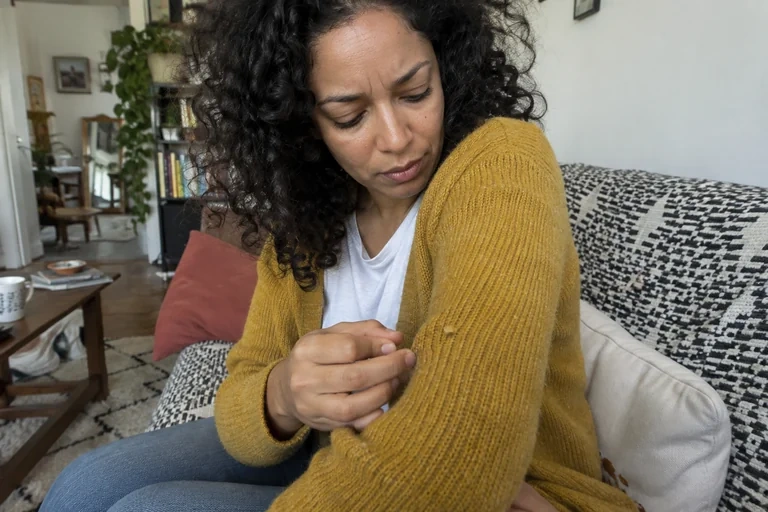
A cardigan can still be comfortable, fit well, and be perfectly wearable even when small pills cover the sleeves. Pilling can quickly make it look worn, but it doesn’t automatically mean you need to replace the garment. The goal is to smooth the surface without cutting the knit that holds it together.
To remove pilling, first identify the material and the fabric’s condition, then test a suitable tool on a small, inconspicuous area. Work on a dry garment that’s supported and laid flat. Stop as soon as the fabric catches or starts to weaken.
Tell pilling apart from other small flaws
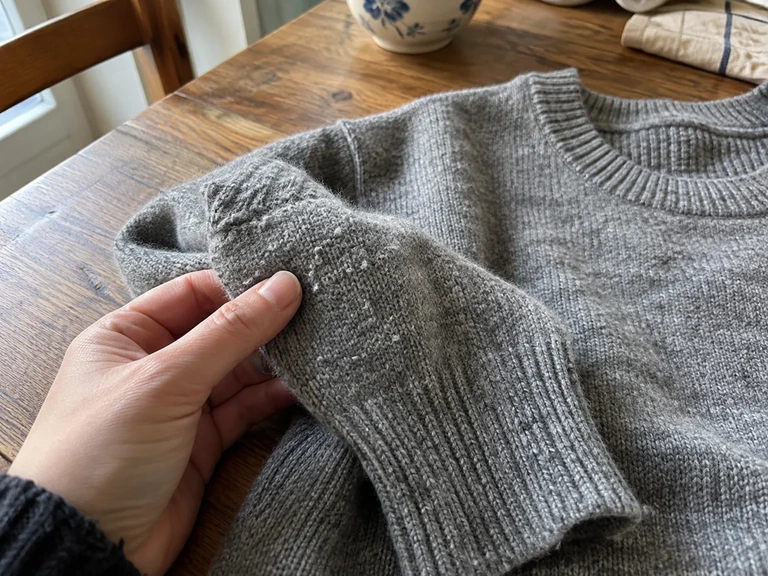
Pills are small clusters of fibers on the surface of a garment. They often appear in areas that rub while you wear it. Woolmark cites sleeves, sides, and areas of frequent contact. A long fiber forming a single loop isn’t necessarily a pill; it may be part of the knit’s structure.
Before reaching for a tool, examine the area in daylight. If you see a hole, a stretched stitch, or a thread connecting several stitches, don’t cut it at random. On a looped or fuzzy garment, the texture may be intentional. Compare it with a less exposed area and look for the manufacturer’s recommendations. This quick check can help you avoid a much more complicated repair.
Understand where friction occurs
Lay the garment flat and identify the affected areas. A strip on the shoulder may be caused by a bag strap; pilling on the side may come from repeated contact with your arm. The edge of a desk, a belt, or a jacket worn over it can also contribute to friction. This observation is more useful than jumping to conclusions about the garment’s price or quality.
Next, look for a simple change. Moving a rough strap, switching bags, or avoiding an accessory that always catches in the same spot can reduce friction. You don’t need to stop wearing the garment or change your whole style. The goal is to remove an obvious source of repeated contact when it works for your day and comfort.
Choose a tool for the surface
A fabric shaver, a comb designed for certain knits, or very limited manual removal may work in different situations. Read the instructions for the tool and the garment. An accessory made for a dense knit isn’t automatically suitable for a fine fabric, novelty yarn, or intentionally looped texture.
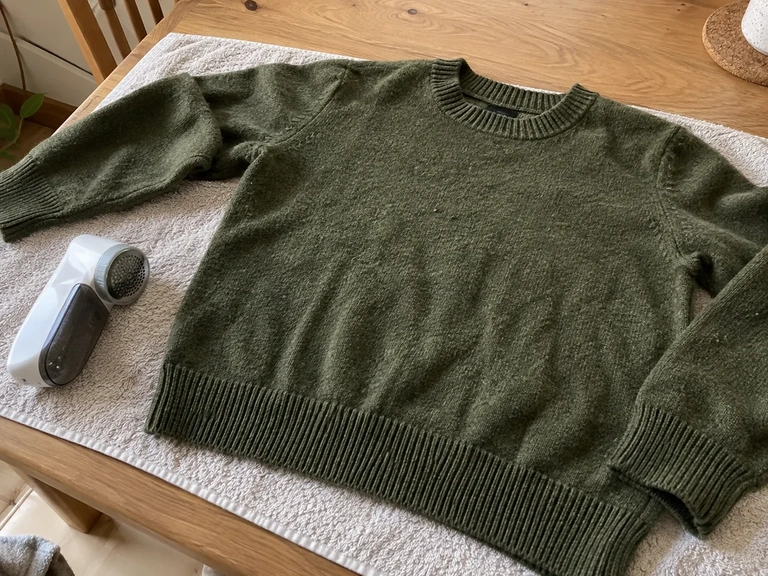
Avoid using a grooming razor or scissors without looking closely. A blade can cut into the fabric along with the pill. If you use a fabric shaver, check the condition of the screen, the available settings, and that the lint compartment is clean. A damaged screen or a tool that snags shouldn’t be ignored. Set up a stable, well-lit surface before you begin.
Start with a small enough test area
Choose an inconspicuous spot with the same fabric as the area you want to treat. Lay the garment flat and dry without stretching it. Make a few very light passes, following the instructions, then stop the tool and check the result. Look at both the knit and the pills: does the fabric look thinner, uneven, or prone to snagging?
If the result looks good, gradually move on to a larger area. Don’t go straight over seams, edges, buttons, or textured details. Keep your free hand away from the active part of the tool. If the fabric bunches up in front of it, reposition it before continuing. Working slowly lets you spot a problem before it turns into a hole.
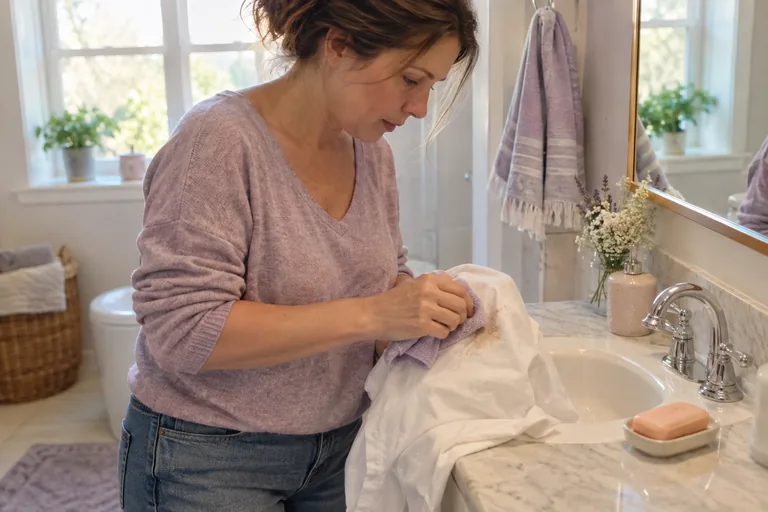 Read alsoHow to remove a stain from clothing: the right method for the stain and fabric
Work in small sections without overdoing it
Treat one panel at a time: front, sleeve, side. Lay the garment flat again each time you move it. Clean the tool according to its instructions, turning it off and unplugging it or removing its power source when directed. Don’t let accumulated fibers tempt you to press harder to get it working well again.
Accept that a few uneven spots may remain. An area that has already had a lot of friction may not look exactly like a new one again. Repeated passes also remove fibers. If you notice a faded spot, a pulled thread, or a very thin knit, stop and ask for advice. The best result is a neater garment that stays sturdy—not a perfectly smooth surface achieved by weakening the fabric.
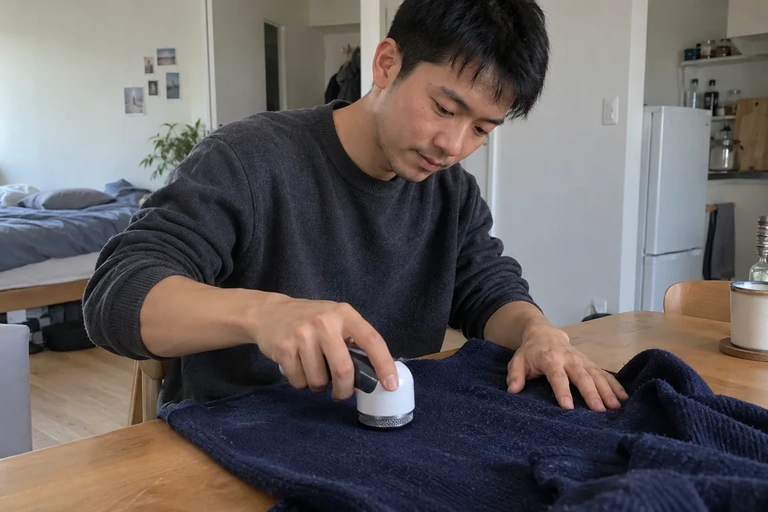
A visual example from Gentleman's Gazette to compare with the steps in this guide.
Video in English
Prevent pilling without piling on treatments
Return to the care routine recommended for your garment. Sorting should help prevent snags and unnecessary friction. Woolmark recommends turning wool garments inside out and avoiding fabric softener as part of its prevention guidance. For the cleaning itself, our guide to wash a wool or cashmere sweater details useful precautions without confusing washing with removing pills.
Don’t wash a garment more often just because it’s pilling. Cleaning depends on how dirty it is; surface care addresses a different issue. After wearing it, simply check the areas that tend to rub. A brief, careful touch-up is better than a long, harsh session when the whole piece looks worn.
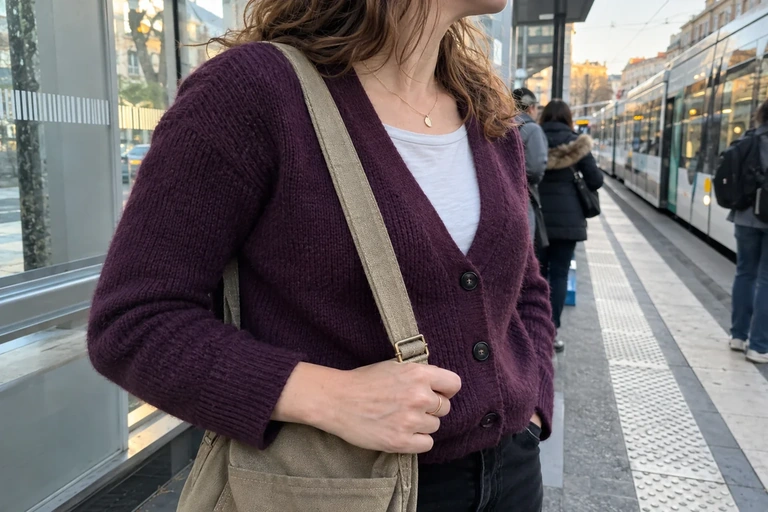
Decide whether to keep wearing, repair, or replace the garment
If the garment is still sturdy, comfortable, and fits you well, a few pills don’t take away its usefulness. A knit cleaned with care can find its way back into your everyday looks. Our guide to cost per wear encourages you to consider how you’ll actually use it instead of expecting it to look brand-new all the time.
If several areas become see-through, the yarn breaks, or a hole appears, it’s time to think about repairs. A professional can assess whether mending it makes sense. In Vestly, find looks to wear with your sweater or cardigan using your digital closet and “Style Around It.” Planning an outfit with a well-cared-for piece is often more practical than immediately looking for a replacement.
Check off
I can treat this pilled area
0 / 6
I have everything in place for a light, controlled touch-up.
Frequently asked questions
Do pills mean a sweater is poor quality?
No. Pilling depends on several factors, including the fibers, construction, and friction. Also check the seams, the condition of the knit, and how comfortable the piece feels before judging it.
Can you remove pills from a sweater while you’re wearing it?
It’s best to take it off and lay it on a stable surface. You’ll have better control of folds, seams, and the distance between your hands and the tool while following its instructions.
Should you do it every week?
There’s no need for a set schedule. Treat pilling as needed, based on the garment’s actual condition. If pills quickly return in the same spot, first look for the source of the friction.
Sources and references
- Woolmark, Understanding and Removing Pilling, accessed September 30, 2026: how friction causes pilling and surface care methods.
- Vestly, app features, accessed September 30, 2026.